
Ignoring tree fungus can seriously harm your trees. It weakens their structure, disrupts nutrient uptake, and compromises their immune system, making them vulnerable to pests and diseases. The decay also affects nearby ecosystems by reducing habitats and biodiversity. Without treatment, fungi can lead to severe damage and even tree loss, impacting the overall health of your landscape. Discover how to identify and treat tree fungus effectively to protect your trees and the environment.
Key Takeaways
- Tree fungus weakens trees by disrupting nutrient and water uptake, leading to poor health and increased vulnerability to pests and diseases.
- Untreated fungal infections cause decay, compromising structural integrity and making trees susceptible to storm damage and branch breakage.
- The decline of tree populations due to fungus reduces wildlife habitats, threatening biodiversity and ecosystem balance.
- Fungal infections can lead to nutrient depletion, affecting overall tree vigor and increasing competition among plant species.
- Neglecting tree fungus can result in extensive damage, reducing tree lifespan and negatively impacting surrounding ecosystems.
Why Ignoring Tree Fungus Can Damage Your Trees
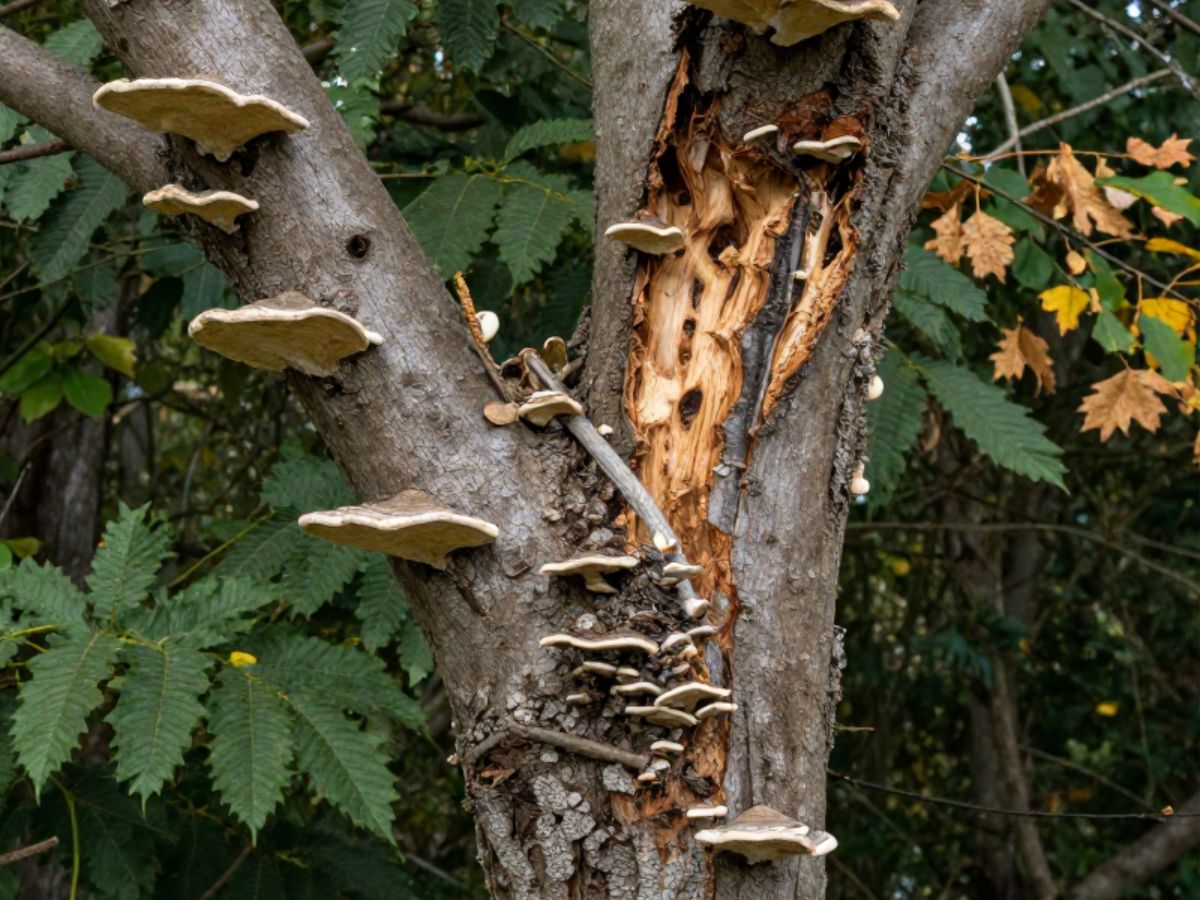
Ignoring tree fungus can lead to severe damage, as it spreads quickly and weakens your trees. Fungal transmission occurs through spores that can easily travel through the air or water, infecting healthy trees nearby.
Once established, the fungus can disrupt the tree’s nutrient and water uptake, making it more vulnerable to pests and environmental stressors.
You might think a little fungus isn’t a big deal, but the treatment importance can’t be overstated. Early detection and intervention are critical to prevent widespread infection.
If you act quickly, you can often manage the fungus with fungicides or other treatments, helping your trees recover and thrive.
Neglecting the issue, on the other hand, can lead to extensive damage, increased treatment costs, and even tree loss.
Stay vigilant and take action at the first sign of fungus to protect your trees and maintain the health of your landscape.
Structural Damage From Tree Fungus
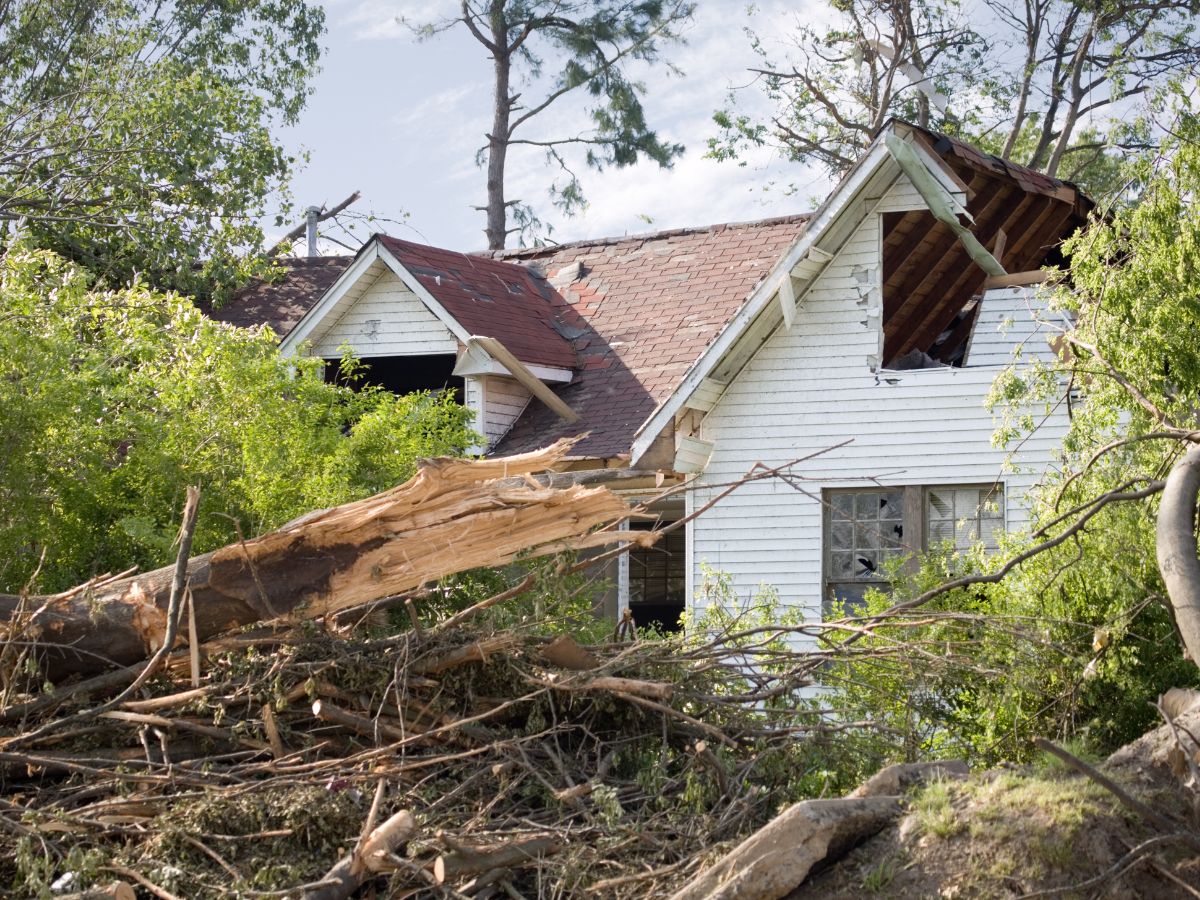
Tree fungus can seriously compromise your tree’s structural integrity.
As the roots weaken, you might notice a decline in the canopy, affecting the overall health of your trees.
It’s vital to address these issues early to prevent severe damage.
Root System Weakness
When trees succumb to fungal infections, their root systems can become significantly weakened, leading to structural damage that jeopardizes the entire tree.
Fungi can cause root rot, which decays the roots and disrupts their ability to anchor the tree securely in the soil. As the roots deteriorate, the tree struggles to absorb essential nutrients, resulting in nutrient depletion.
This imbalance not only weakens the tree’s structure but also makes it more susceptible to wind and storms. You might notice signs of this weakness, such as leaning or visible cracks in the trunk.
Ignoring these issues can lead to more severe damage, and ultimately, the tree’s decline. Addressing fungal infections early can save your tree from significant structural problems.
Canopy Decline Effects
As fungal infections spread through a tree, the canopy often suffers first, leading to noticeable decline. This decline directly impacts canopy health, as leaves may yellow, wilt, or fall prematurely.
When the canopy weakens, it can’t photosynthesize effectively, which further hinders the tree’s overall well-being. You might notice reduced growth and a lack of vigor in your tree.
Fungal spread can also create structural damage, making branches more susceptible to breaking during storms or high winds. Over time, this not only jeopardizes the tree’s health but can pose risks to nearby structures and people.
Addressing fungal infections early is essential to maintaining a strong, healthy canopy and preventing these serious consequences.
How Tree Fungus Weakens Tree Immunity and Health
Fungi invading a tree can greatly compromise its immune system, making it more susceptible to diseases and pests. A fungal infection disrupts the tree’s ability to produce essential nutrients, weakening its overall health and tree resilience. As the fungus spreads, it can block water and nutrient flow, leading to further decline.
| Effects of Fungal Infection | Impact on Tree Health |
| Reduces nutrient absorption | Causes stunted growth |
| Blocks water flow | Increases vulnerability to pests |
| Compromises bark and wood | Leads to decay and death |
Without intervention, the tree’s weakened state can invite additional diseases, creating a vicious cycle. This decline not only affects the individual tree but can also influence the surrounding ecosystem. Understanding these effects is vital for maintaining healthy trees and preventing further harm.
What Happens to Nearby Ecosystems Affected by Tree Fungus?
When tree fungus takes hold, it can disrupt local ecosystems in significant ways.
You might notice a drop in biodiversity as affected trees struggle to survive, impacting wildlife that relies on them.
Additionally, soil health can decline, leading to further challenges for plants and animals in the area.
Impact on Biodiversity
Tree fungus, if left untreated, can greatly disrupt nearby ecosystems. The effects ripple through the environment, impacting various species interactions and threatening the delicate ecosystem balance.
Here’s what you might notice:
- Decline in tree populations: As trees die, habitats for numerous species shrink.
- Altered food webs: Animals that rely on trees for food and shelter face starvation or displacement.
- Increased competition among species: With fewer resources, remaining species struggle, leading to potential extinctions.
- Spread of disease: As tree health declines, other plants and animals may become more vulnerable to pathogens.
Understanding these impacts helps you see why addressing tree fungus is essential for maintaining biodiversity and ensuring a thriving ecosystem for all living beings.
Soil Health Degradation
As tree fungus spreads unchecked, it doesn’t just affect the trees; it also leads to significant soil health degradation.
The presence of fungus disrupts the microbial balance in the soil, which is essential for maintaining healthy ecosystems. When this balance is thrown off, beneficial microbes that help break down organic matter and recycle soil nutrients decline.
As a result, soil becomes less fertile, affecting not just tree health but also surrounding plants. Without adequate soil nutrients, these plants struggle to grow, leading to a cascading effect on the entire ecosystem.
If you ignore tree fungus, you risk harming not only your trees but also the health of the soil and the myriad of organisms that depend on it.
Identifying Tree Fungus: Key Signs to Watch For
Fungi can silently invade your trees, often leaving telltale signs that shouldn’t be ignored. Understanding fungus identification is essential for maintaining tree health. Here are some key signs to watch for:
- Discoloration: Look for unusual color changes in leaves or bark.
- Mushrooms or Fruiting Bodies: These can appear at the base or on the trunk.
- Wilting or Dropping Leaves: If your tree’s foliage is wilting prematurely, it might signal a fungal issue.
- Soft or Decaying Bark: Check for areas that feel spongy or mushy.
Recognizing these signs early can help you take action before the fungus spreads.
Early recognition of these signs empowers you to act swiftly, preventing the fungus from spreading further.
Keeping an eye on your trees guarantees they stay healthy and vibrant, preventing potential damage from unchecked fungal growth.
Don’t overlook these indicators; your trees depend on your vigilance!
Proven Methods for Treating Tree Fungus
Once you’ve identified the signs of tree fungus, taking swift action is essential for treatment. Start with organic treatments like neem oil or baking soda sprays; these can effectively combat many fungal species without harming the environment.
If the infestation is severe, you might need chemical solutions, such as fungicides, which target specific types of fungi. Always read labels carefully to verify you’re using the right product for the fungal species affecting your tree.
Preventive measures are equally important. Regularly inspect your trees for signs of weakness, maintain proper watering practices, and guarantee good air circulation through pruning.
Healthy trees are less susceptible to infections, so consider adding mulch and nutrients to boost their resilience. By combining these treatments and prevention strategies, you can protect your trees from the damaging effects of tree fungus and promote their long-term health.
Frequently Asked Questions
Can Tree Fungus Affect Different Tree Species Equally?
Yes, tree fungus can affect different tree species differently. Some species have stronger fungal resistance mechanisms, while others show higher susceptibility. Understanding these differences helps you manage and protect your trees effectively.
How Quickly Can Tree Fungus Spread to Neighboring Trees?
Tree fungus can spread rapidly, often within weeks, through fungal transmission via spores or root connections. If you don’t act quickly, it can severely impact tree health, affecting neighboring trees in your garden or landscape.
Are Certain Weather Conditions More Favorable for Tree Fungus?
Yes, certain weather conditions favor tree fungus. High moisture levels and temperature fluctuations create ideal environments for spores to thrive, increasing the chances of infection. Keeping trees dry and stable helps prevent these issues.
Can Tree Fungus Be Beneficial in Any Way?
Yes, tree fungus can be beneficial. Certain beneficial fungi play essential ecological roles, decomposing organic matter and enriching soil. They help nutrient cycling, promoting healthier ecosystems, which ultimately supports tree growth and overall forest health.
What Are the Long-Term Effects of Untreated Tree Fungus?
Untreated fungal infections can severely compromise your tree’s health, leading to decay, structural weakness, and potential death. Over time, this can affect surrounding plants and disrupt the ecosystem, making early intervention essential for preservation.
Final Thoughts
At Prime Tree Care, we know that tree fungus should never be ignored. Left untreated, it can weaken a tree’s structure, reduce its ability to fight off additional problems, and eventually lead to serious damage or loss that affects the safety and appearance of your property. Acting early is the best way to protect your trees, preserve your landscape, and prevent more costly issues in the future.
If you have noticed signs of fungal damage or want professional help protecting the health of your trees, our team is here to help with expert tree pruning, dependable tree trimming, safe tree removal, and complete tree care services. Contact Prime Tree Care today to schedule an assessment and let us help keep your trees healthy, strong, and properly cared for.