
Why Identifying Plant Diseases Matters For Homeowners

When you spot yellowing leaves, wilting, or unusual spots on your plants, you’re looking at potential threats to your property value and wallet. Diseased plants can spread infections throughout your landscape via wind, insects, and even your gardening tools, turning a $50 treatment into thousands in replacement costs. You’ll save money by catching problems early […]
How To Choose Quality Tree Crown Reduction

To choose quality tree crown reduction, you’ll want to hire an ISA Certified Arborist with verified insurance coverage of at least $1 million in general liability. Ask for references from clients with similar tree species and review photos of their previous work. Get at least three detailed quotes with itemized breakdowns, and watch for red […]
Test Your Knowledge: Crown Reduction Done Right
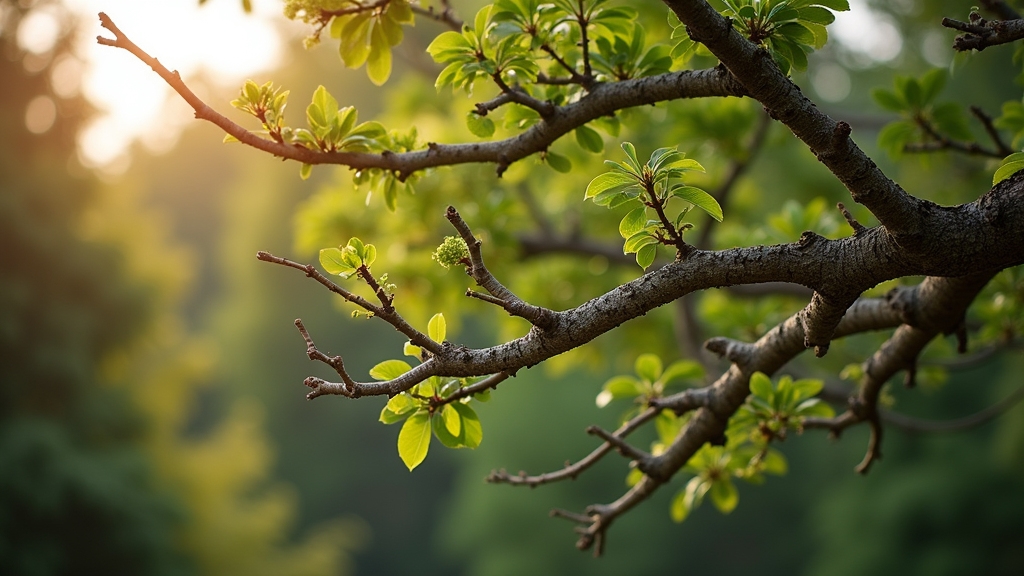
Crown reduction requires precision—you’re shortening branches to reduce height and spread while preserving your tree’s natural shape. You’ll cut above lateral branches that measure at least one-third the diameter of the removed limb, never removing more than 25% of living foliage in one session. The key distinction? Proper reduction cuts promote healing, while topping creates […]
7 Disease Prevention Tips for Tree Thinning

When thinning trees, you’ll want to follow these seven disease prevention tips to protect your forest. Start by sanitizing tools between each tree with 70% isopropyl alcohol. Remove infected trees first, and schedule work during dry weather to limit spore spread. Apply wound dressings only when necessary, and dispose of diseased material far from healthy […]
7 Tips For Quality Tree Crown Reduction

To achieve quality tree crown reduction, you’ll want to prune during late winter when your tree is dormant and can heal efficiently. Before cutting, assess your tree’s health by checking for decay, cracks, or fungal growth. Always use the three-cut method and preserve the branch collar for proper wound closure. Never remove more than 25% […]