
Thinning trees is essential for preventing disease because it reduces competition for sunlight, water, and nutrients, leading to healthier trees. By improving airflow and creating a stronger canopy structure, it minimizes the spread of pathogens. This proactive measure not only supports overall tree health but also enhances resilience against pests. Maintaining a properly spaced forest boosts not just tree integrity but also the ecosystem’s robustness. There’s much more to discover about effective thinning practices and their benefits.
Key Takeaways
- Thinning trees improves airflow, reducing humidity and creating an environment less conducive to disease spread.
- It minimizes competition for resources, which lowers stress on trees and enhances their overall health.
- A well-spaced canopy structure promotes sunlight penetration, vital for tree vitality and disease resistance.
- Regular monitoring and thinning help identify at-risk trees before disease can take hold.
- Enhanced forest resilience through thinning supports effective pathogen management and reduces vulnerability to outbreaks.
What Is Tree Thinning and Why Is It Important?
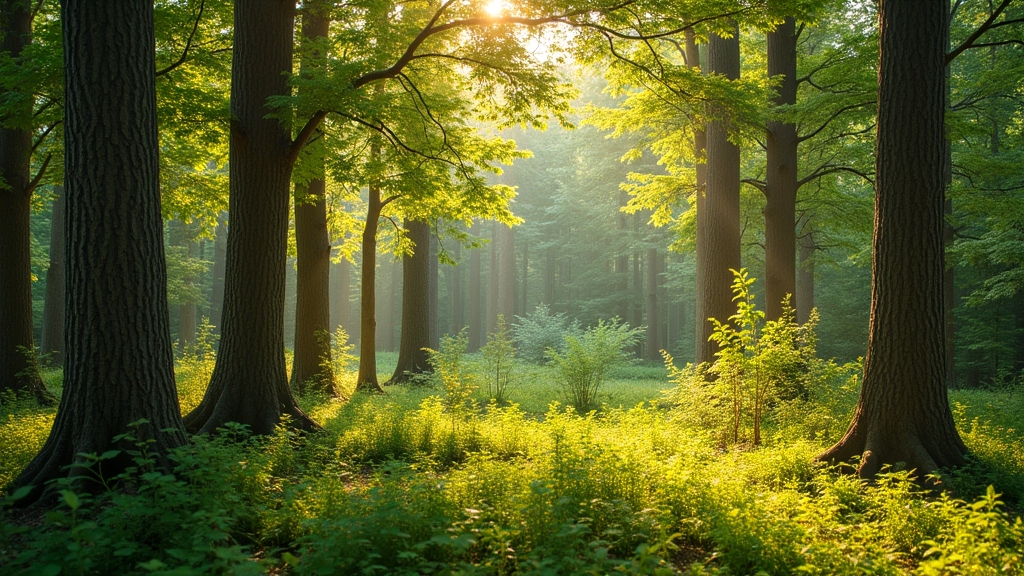
When you think about maintaining a healthy forest, tree thinning often comes to mind as an essential practice. This process involves selectively removing certain trees to improve overall tree care and boost forest management.
By thinning, you enhance ecological balance, allowing remaining trees to grow more robustly. It helps optimize growth patterns, ensuring that each tree receives adequate sunlight and nutrients.
Thinning enhances ecological balance, allowing remaining trees to thrive by optimizing sunlight and nutrient access.
Improving soil health is another critical benefit; well-spaced trees promote better root systems, which enhances water retention. Thinning also aids in pest control, reducing overcrowding that can attract harmful insects.
Additionally, a well-structured canopy supports diverse tree species, fostering a resilient ecosystem.
Ultimately, tree thinning enhances ecosystem services, from carbon sequestration to wildlife habitat, while fortifying climate resilience. By understanding its importance, you can actively contribute to the forest’s health and sustainability.
The Role of Thinning in Preventing Disease Spread
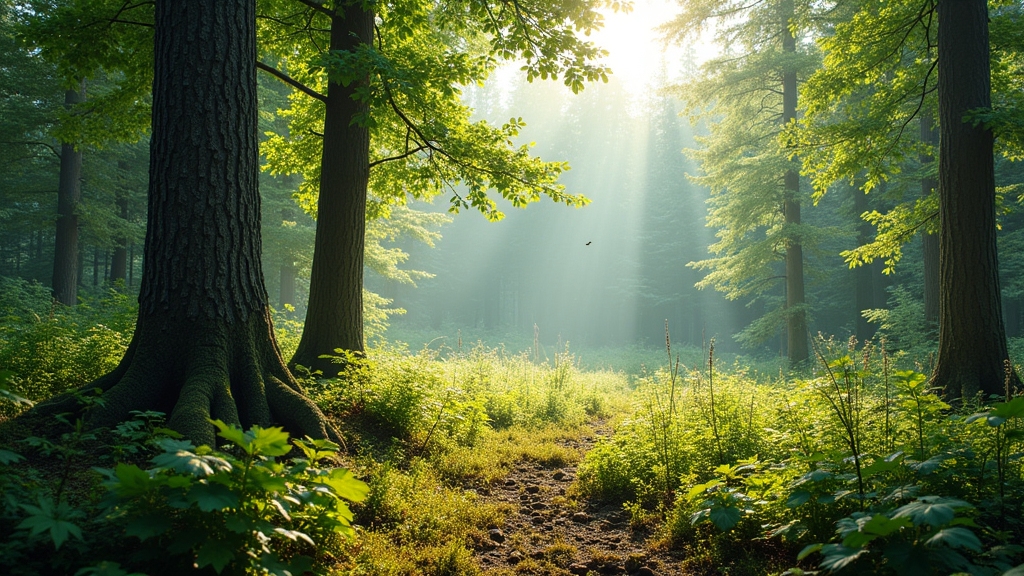
Thinning plays an essential role in preventing the spread of diseases among trees. By creating space, you reduce competition and improve airflow, which minimizes disease transmission. This practice enhances forest resilience and supports effective pathogen management.
Here’s a quick overview of how thinning benefits your forest:
| Benefit | Description | Impact |
| Tree Diversity | Maintains a variety of species. | Increases ecological balance. |
| Soil Health | Reduces soil compaction. | Promotes nutrient availability. |
| Climate Adaptation | Enhances trees’ ability to adapt. | Supports long-term survival. |
Regular disease monitoring helps identify issues early, ensuring proactive measures. Thinning not only fosters a healthier ecosystem but also boosts the overall robustness of your forest. By prioritizing these practices, you contribute to a thriving environment for future generations.
How Tree Thinning Enhances Sunlight and Nutrient Access
By selectively removing trees, you create an open canopy that allows more sunlight to penetrate the forest floor. This increased sunlight penetration boosts the growth of understorey plants and promotes a healthier ecosystem. When plants receive adequate light, they can photosynthesize effectively, leading to stronger, more resilient growth.
Moreover, thinning enhances nutrient distribution. With fewer trees competing for resources, remaining trees can access more water and nutrients from the soil. This not only benefits the trees themselves but also improves the overall health of the ecosystem. Understorey plants thrive, and soil microorganisms flourish, creating a more balanced environment.
Thinning improves nutrient distribution, allowing remaining trees and understorey plants to thrive, fostering a balanced and vibrant ecosystem.
As a result, you’re fostering a dynamic system where both sunlight and nutrients are effectively utilized. This careful management guarantees that your forest remains vibrant and productive, reducing the risk of disease and promoting biodiversity.
Thinning isn’t just about space; it’s about nurturing life at every level.
The Downsides of Too Many Trees
While a dense forest might seem lush and thriving, too many trees can actually stifle growth and health. High tree density can lead to competition for sunlight, water, and nutrients, ultimately harming soil health.
In urban forestry, this imbalance disrupts ecosystem dynamics, making it harder for diverse wildlife habitats to flourish. Without proper forest management, these crowded areas may become vulnerable to pests and diseases, threatening climate resilience.
Moreover, when trees compete intensely, their root systems may weaken, reducing stability and increasing the risk of falls during storms. This overcrowding can also limit the trees’ ability to sequester carbon effectively, undermining efforts to combat climate change.
Striking the right balance in tree density is essential for maintaining environmental stability, promoting healthy ecosystems, and ensuring trees can thrive in both natural and urban settings.
How Thinning Benefits Tree Health and Growth
Overcrowded forests often struggle to thrive, but thinning can markedly enhance tree health and growth. By selectively removing some trees, you improve root health and allow remaining trees to access more nutrients and water. This adjustment enhances canopy structure, promoting better sunlight penetration and air circulation.
With improved soil aeration, roots can grow deeper, strengthening tree longevity and encouraging healthy growth patterns. Thinning also boosts pest resistance by reducing competition and stress on individual trees, making them less vulnerable to diseases.
Additionally, it fosters ecosystem balance by allowing diverse species to flourish, which enhances nutrient cycling and supports overall forest dynamics. As trees grow stronger and healthier, they contribute to climate resilience, better absorbing carbon and withstanding environmental changes.
In short, thinning isn’t just about reducing numbers; it’s about creating a thriving forest that can support itself for generations to come.
Competing for Resources: The Science Behind Tree Growth
When you look at trees, you mightn’t realize how fiercely they compete for resources like light, water, and nutrients.
Each tree develops strategies to allocate its energy efficiently, impacting its growth and survival.
Understanding this competition can shed light on why thinning is essential for healthier forests.
Resource Allocation Strategies
As trees compete for limited resources, their growth strategies reveal fascinating adaptations to their environment. You’ll notice how resource allocation plays a vital role in ecosystem balance.
Trees optimize nutrients through various survival tactics, adjusting their growth strategies based on competition dynamics. For instance, a tree might allocate more energy to roots in nutrient-poor soil, enhancing its ability to absorb what it needs.
This adaptability not only supports tree diversity but also contributes to overall health sustainability. By managing land effectively, you can facilitate these natural processes, ensuring that trees thrive despite environmental impacts.
Understanding these strategies helps you appreciate the intricate relationships within ecosystems and the importance of thoughtful land management for future growth.
Impact Of Competition
While trees naturally aim for growth, competition for resources can significantly shape their development. Root competition often leads to nutrient stress, impacting growth dynamics and forcing trees to adapt their strategies.
As species interact in a crowded environment, you’ll notice how canopy structure changes, with some trees striving to outgrow others for sunlight. This struggle can affect soil health, as more roots may deplete essential nutrients, disrupting ecosystem balance.
Additionally, trees must manage carbon allocation effectively to survive, prioritizing growth or reproduction based on available resources. Understanding these competitive dynamics helps explain why thinning trees can promote healthier forests, allowing remaining trees to thrive and reduce stress, ultimately supporting a more resilient ecosystem.
Biodiversity Boost: The Benefits of Thinning
Thinning trees not only improves forest health but also considerably boosts biodiversity. When you create space among trees, you enhance biodiversity hotspots, allowing various species to thrive. This increased genetic diversity strengthens ecosystem resilience, making forests better equipped to adapt to climate changes.
Thinning trees enhances biodiversity, fostering resilience and enabling forests to better adapt to climate changes.
With improved forest dynamics, wildlife habitats flourish, providing homes for birds, insects, and mammals.
Moreover, thinning promotes soil health by reducing competition for nutrients and water. Enhanced water management becomes possible as thinning allows rainwater to penetrate the soil more effectively, reducing runoff and erosion.
This creates a more stable environment for both flora and fauna.
Best Practices for Effective Tree Thinning
When you’re thinning trees, knowing the best practices can make a big difference.
Focus on ideal spacing, timing, and the right tools to guarantee healthy growth.
Let’s explore these key points to help you achieve effective results.
Optimal Spacing Guidelines
To achieve ideal growth and health in your forest, understanding the right spacing between trees is essential.
Using effective spacing techniques can greatly reduce tree density, which helps avoid competition for resources. Generally, aim for 10 to 12 feet between mature trees, but this can vary based on species and soil quality.
When spacing your trees, consider their mature size; larger species need more room. Thinning not only promotes healthier growth but also improves air circulation, reducing disease risk.
Regularly assess your forest to adjust spacing as needed. By implementing these guidelines, you’ll create a thriving ecosystem that supports both tree health and biodiversity, ultimately enhancing the resilience of your forest.
Timing and Seasonal Considerations
While timing plays an essential role in effective tree thinning, understanding seasonal considerations can greatly enhance your forest management efforts.
Proper timing strategies can guarantee healthier trees and a more vibrant ecosystem.
Here are some seasonal impacts to keep in mind:
- Spring: Promotes rapid growth, ideal for thinning less healthy trees.
- Summer: High stress; avoid thinning during drought conditions.
- Fall: Trees prepare for dormancy; thinning can stress them.
- Winter: Frozen ground allows easier access, minimizing damage.
- Post-storm: Assess and thin damaged trees to aid recovery.
Tools and Techniques Needed
Effective tree thinning requires the right tools and techniques to guarantee a successful outcome.
Start with essential tools like pruning shears and chainsaws, which help you implement various thinning methods. Always prioritize safety equipment, such as gloves and goggles, to protect yourself during the process.
Use measurement tools to assess tree spacing and confirm you’re targeting the right tree species. Conduct a soil assessment to understand the health of your trees and plan your thinning intervals effectively.
Incorporate maintenance practices, like regular monitoring growth, to track the impacts of your thinning efforts.
Common Myths About Tree Thinning
What misconceptions might you have about tree thinning? Many people hold onto thinning myths that can hinder tree health rather than help it.
Let’s clear up some common tree misconceptions:
- Thinning always harms trees: In reality, it can improve sunlight and airflow.
- More trees mean better health: Too many trees can lead to competition for nutrients.
- Thinning is just for aesthetics: It’s essential for disease prevention and tree health.
- Only experts can thin trees: With knowledge and care, you can do it yourself.
- Thinning is a one-time fix: Regular maintenance is important for long-term health.
Case Studies: Successful Tree Thinning Initiatives
When you look at successful tree thinning initiatives, you’ll find compelling examples that demonstrate the benefits of this practice. Several case studies highlight how thinning not only improves tree health but also enhances biodiversity and reduces disease spread.
Here are a few notable examples:
| Initiative | Location |
| Forest Thinning Project | Pacific Northwest |
| Urban Tree Management Plan | New York City |
| Community Forestry Program | Colorado |
| Pine Beetle Recovery Effort | Alberta |
| Sustainable Timber Harvesting | Scandinavia |
These successful initiatives reveal that thinning can lead to healthier forests and urban areas. By allowing more sunlight and air circulation, trees can thrive, and diseases can be minimized. When you implement similar strategies in your own area, you contribute to a healthier ecosystem.
Frequently Asked Questions
How Often Should Trees Be Thinned for Optimal Health?
You should thin trees every 3 to 5 years for ideal health. Use proper thinning techniques to maintain balance, ensuring sunlight and air circulation reach all trees, promoting strong growth and resilience against diseases.
Can Thinning Harm Trees if Done Improperly?
Yes, thinning can harm trees if done improperly. Using incorrect techniques may increase tree stress, lead to health impacts, cause regrowth issues, and vary in effect depending on species sensitivity and timing considerations.
What Tools Are Best for Thinning Trees Effectively?
To thin trees effectively, use hand pruners for small branches and chainsaws for larger ones. Employ pruning techniques during proper timing, focusing on thinning benefits to promote healthy growth. Choose the right equipment for your specific needs.
Is Tree Thinning Beneficial in Urban Areas?
Yes, tree thinning’s beneficial in urban areas. It improves urban forestry by reducing tree density, allowing more sunlight and airflow. This promotes healthier trees, enhances aesthetics, and minimizes potential hazards from overcrowded branches.
How Does Climate Change Affect Tree Thinning Practices?
Climate change intensifies the need for effective thinning techniques, as it alters growth patterns and pest dynamics. You’ll find that adapting your practices helps trees withstand climate impacts, promoting healthier urban forests in the long run.
Final Thoughts
Thinning is one of the most effective ways to prevent tree disease because it reduces stress and improves growing conditions. When trees have enough space, they get better airflow, more sunlight, and improved access to water and nutrients—making them less vulnerable to pathogens and pest pressure. The key is doing it correctly and at the right time, so you strengthen the canopy structure without over-removing and creating new stress.
At Prime Tree Care, we help homeowners and property managers make smart decisions about tree spacing, canopy health, and long-term risk reduction. Our team can evaluate your trees and recommend the right approach, whether that means careful tree pruning, seasonal tree trimming, or more involved work when trees become unsafe and removal is the best option through tree removal.
If you want to improve tree health and reduce disease risk with a professional thinning plan, schedule an assessment today: Contact Prime Tree Care.