
Tree fungus is harmful without treatment because it weakens your trees’ structural integrity, making them more susceptible to winds and storms. As it spreads, it disrupts nutrient absorption, leading to decay and increased vulnerability. This decline not only threatens individual trees but also the wider ecosystem by reducing biodiversity and disrupting habitats. Early detection is essential to protect your trees. Discover how to identify signs of infestation and take preventive measures to guarantee your trees stay healthy.
Key Takeaways
- Tree fungus disrupts nutrient absorption, weakening the tree’s structure and overall health.
- Compromised trees become more susceptible to pests and diseases, increasing their risk of decline.
- Weakened trees are less stable, posing safety hazards during storms or high winds.
- Decomposing trees can lead to habitat loss, negatively impacting local wildlife and biodiversity.
- Soil health deteriorates due to fungal activity, affecting nutrient cycling and plant growth.
What Is Tree Fungus and Why Does It Matter?
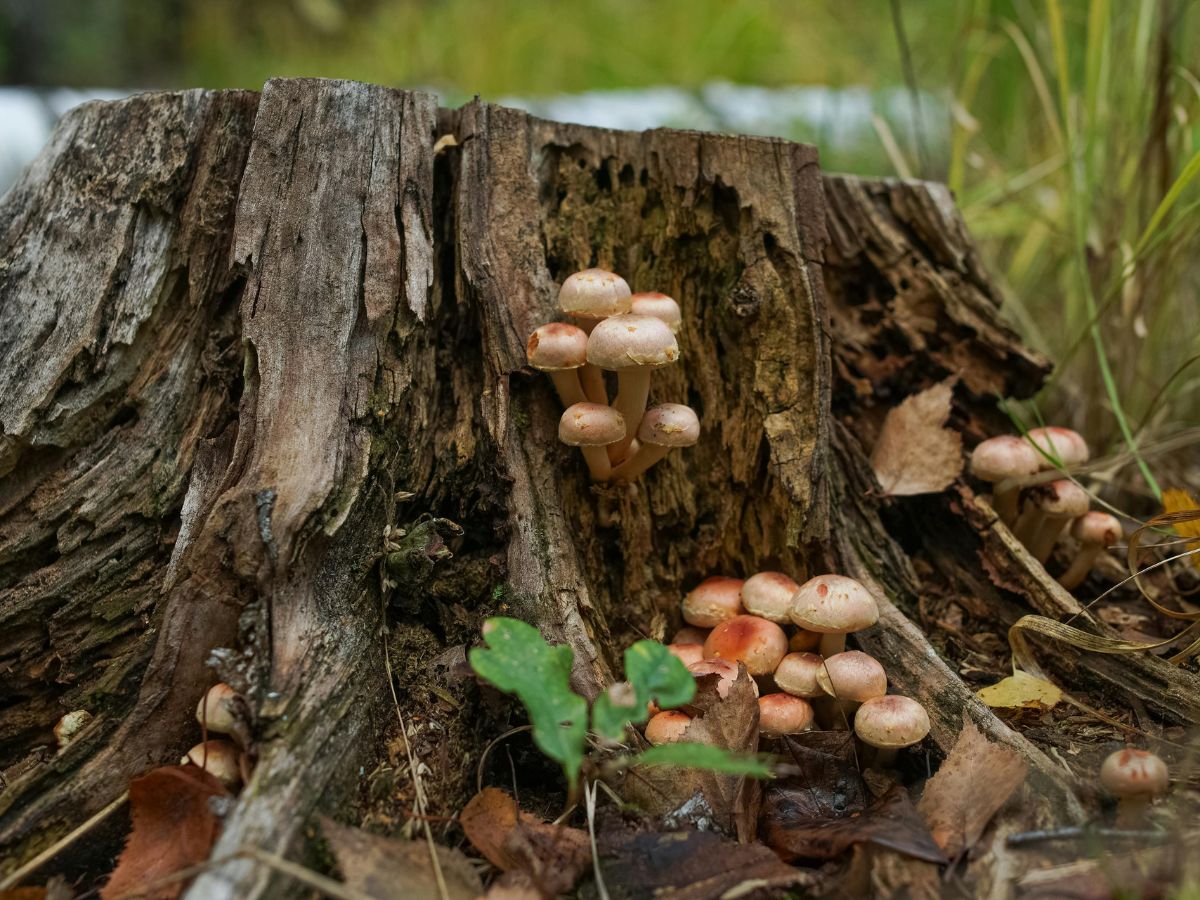
Tree fungus is a common but often overlooked issue that can seriously impact the health of trees. Understanding tree biology helps you see how these fungi thrive, often exploiting weaknesses in the tree.
Fungal life cycles play a vital role here; they can spread rapidly, releasing spores that infect nearby trees. As they invade, these fungi may disrupt the tree’s nutrient absorption or weaken its structure. This not only affects individual trees but can also have broader ecological consequences.
Why Does Tree Fungus Pose a Threat to Tree Health?
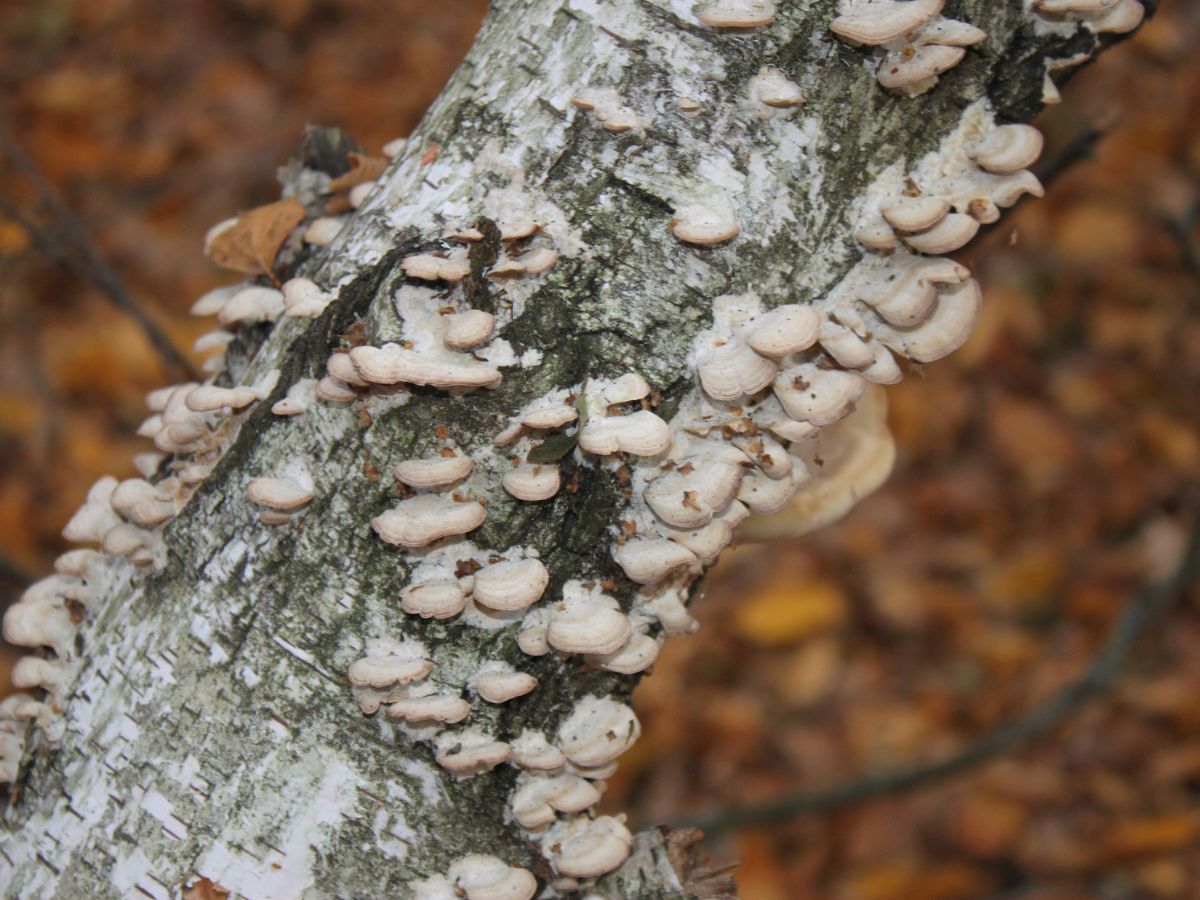
Tree fungus can seriously compromise a tree’s structural integrity, making it weaker and more prone to damage.
It also disrupts nutrient absorption, depriving the tree of essential resources.
Understanding these threats is vital for maintaining healthy trees in your landscape.
Tree Structural Integrity
When a tree is infected by fungus, it can quickly compromise its structural integrity, making it vulnerable to collapse. This weakening affects tree stability, putting both the tree and surrounding areas at risk.
Fungal infections create decay in wood, reducing strength and support. You mightn’t notice the signs immediately, but as the fungus spreads, the tree’s ability to withstand wind and storms diminishes.
Without proper treatment, the tree’s fungal resistance weakens further, accelerating deterioration. This decline isn’t just a problem for the tree; it can lead to safety hazards for people and property nearby.
Understanding these risks can help you take timely action to maintain your tree’s health and stability.
Nutrient Absorption Disruption
Fungal infections can severely disrupt a tree’s ability to absorb essential nutrients, which is essential for its overall health.
When fungus invades, it creates fierce nutrient competition, robbing the tree of what it needs to thrive.
Consider how this impacts your tree:
- Decreased root health, making it harder for the tree to stabilize.
- Reduced access to water, leading to dehydration.
- Impaired growth, as it struggles to build new leaves and branches.
- Increased susceptibility to pests and diseases, weakening its defenses.
Without treatment, these factors can lead to a weakened tree, diminishing its vitality and longevity.
Protecting your tree from fungal infections is critical for maintaining its nutrient absorption and overall health.
Signs and Symptoms of Tree Fungus Infestation
When you’re checking your trees, keep an eye out for visible fungal growth patterns on the bark or branches.
You might also notice leaf discoloration and wilting, which can signal a deeper issue.
Recognizing these signs early can make a big difference in your tree’s health.
Visible Fungal Growth Patterns
As you inspect your trees, you might notice distinct patterns that signal a fungal infestation. By applying fungal identification techniques and growth pattern analysis, you can spot these warning signs early.
Look for:
- Mushrooms or toadstools: These often appear at the base or on the trunk.
- White, powdery spots: This indicates mycelium, the fungal network.
- Black streaks: These can suggest a more severe infection.
- Cracked or peeling bark: This may reveal deeper fungal activity beneath the surface.
Recognizing these visible growth patterns is essential.
Early detection can help you take action before the infestation spreads, preserving the health of your trees and your landscape.
Leaf Discoloration and Wilting
After identifying visible fungal growth patterns, the next signs to monitor are leaf discoloration and wilting. These symptoms often signal that the fungus is affecting your tree’s leaf health.
You might notice leaves turning yellow, brown, or even black, indicating stress or disease. As leaves lose their vibrant color, they may also begin to droop and wilt, reducing the tree’s ability to photosynthesize effectively.
This decline in leaf health can have a broader environmental impact, as weakened trees struggle to support local ecosystems. If you see these changes, it’s essential to act quickly.
Treating the fungus promptly can help restore your tree’s health and maintain the balance of your surrounding environment.
Common Types of Tree Fungus Found in Urban Areas
Urban environments are often home to a variety of tree fungi that can pose significant risks to both trees and surrounding structures. Knowing common types can help you take action early.
Here are some prevalent fungi affecting urban tree species:
- Armillaria: Known as honey fungus, it attacks roots and can kill trees.
- Ganoderma: This bracket fungus decays wood, weakening tree stability.
- Chalara: Often found on ash trees, it leads to leaf drop and dieback.
- Stereum: A crusty fungus that can weaken bark and promote further infections.
Using fungal identification methods can help you recognize these threats, ensuring your urban trees remain healthy and vibrant.
Structural Risks of Untreated Tree Fungus
Untreated tree fungus can lead to significant structural risks that extend beyond the trees themselves. When trees become infected, they weaken, compromising their structural integrity.
Untreated tree fungus weakens trees, posing serious structural risks that can threaten nearby structures and safety.
A decaying tree can pose a danger to nearby structures, vehicles, and people. As the fungus spreads, it can also affect surrounding trees, leading to widespread disease and further jeopardizing your landscape.
This not only threatens the longevity of individual trees but can also disrupt the aesthetic and ecological balance of your property. Without intervention, the risk of falling branches or entire trees increases, endangering everything in proximity.
Addressing tree fungus promptly is vital to maintaining safety and preserving the health of your outdoor environment. Don’t wait until it’s too late!
How Does Tree Fungus Disrupt Local Ecosystems?
Tree fungus can greatly impact local ecosystems by reducing biodiversity levels.
When trees die off, it disrupts habitats and food sources for various species.
Additionally, the fungus can alter soil composition, affecting nutrient availability and plant growth.
Impact on Biodiversity Levels
While many might overlook the impact of tree fungus, its presence can profoundly disrupt local ecosystems. You may not realize that tree fungus contributes to biodiversity decline, causing an ecosystem imbalance that affects various species.
Here’s how:
- It weakens trees, making them more susceptible to pests and diseases.
- Decomposing trees create a loss of habitat for birds and small mammals.
- Nutrient cycling is disrupted, affecting soil health and plant growth.
- Invasive species may thrive, pushing out native plants and animals.
These factors can lead to a ripple effect, altering the balance of life in your local environment.
If left untreated, tree fungus can considerably change the landscape, undermining the natural beauty and biodiversity that ecosystems rely on.
Altered Soil Composition
As tree fungus spreads through an area, it alters soil composition in ways that can undermine the health of the entire ecosystem. This disruption affects nutrient availability, water retention, and microbial activity, destabilizing the ecological balance. You might not realize it, but these changes can lead to diminished plant growth and reduced biodiversity.
| Effect on Soil | Importance for Ecosystem | Consequence of Disruption |
| Nutrient Depletion | Supports plant life | Reduced growth |
| Water Imbalance | Maintains moisture | Increased drought risk |
| Microbial Shift | Enhances soil health | Disease spread |
| pH Alteration | Affects species diversity | Loss of native species |
| Compaction | Affects root systems | Plant stress |
Understanding these impacts helps you appreciate the urgency of addressing tree fungus.
How to Treat Tree Fungus Effectively
Addressing tree fungus promptly can save your plants from serious damage. To guarantee tree health, you should consider effective fungal treatments.
Promptly addressing tree fungus is crucial for preventing serious damage and ensuring the health of your plants.
Start by inspecting your trees for signs of infection. Once you’ve identified the problem, follow these steps:
- Prune affected branches to prevent further spread.
- Apply fungicides specifically designed for tree diseases.
- Improve air circulation around the tree by removing debris.
- Water the tree properly, avoiding overwatering that can promote fungal growth.
Preventative Measures to Protect Your Trees
Taking proactive steps can greatly reduce the risk of tree fungus. Start with species selection; choose trees suited to your local environmental conditions.
Regular tree pruning helps improve air circulation and sunlight exposure, reducing dampness. Keep an eye on bark inspection to catch any early signs of disease.
Prioritize soil health by testing and amending as needed, ensuring it’s nutrient-rich and well-draining. Moisture management is key; water deeply but infrequently to encourage strong root care.
Finally, apply mulch around the base of your trees. It retains moisture, suppresses weeds, and regulates soil temperature.
Why Is Early Detection of Tree Fungus Crucial?
Early detection of tree fungus is crucial because it can mean the difference between saving a tree and losing it entirely.
When you spot fungus early, you can take effective action through early intervention.
Utilize these detection techniques to keep your trees healthy:
- Visual inspections: Look for unusual discoloration or growths on bark.
- Fungal spores: Notice any powdery residue around the base.
- Wilting leaves: Check for drooping or discolored foliage.
- Branch dieback: Watch for sudden loss of leaves on certain branches.
Resources for Tree Fungus Management
When you’re dealing with tree fungus, having the right resources can make all the difference in effectively managing the issue. Start by researching fungal resistance strategies to help your trees withstand infections. Many local extension services offer guides and expert advice tailored to your region.
Next, consider integrated management techniques, which combine cultural practices, chemical treatments, and biological controls. These methods not only target the fungus but also promote overall tree health.
You can also find valuable information in gardening books and online forums where fellow tree enthusiasts share their experiences.
Don’t hesitate to consult a professional arborist if the situation seems overwhelming. They can provide tailored solutions and help you develop a long-term management plan.
Frequently Asked Questions
Can Tree Fungus Affect Nearby Plants and Wildlife?
Yes, tree fungus can affect nearby plants and wildlife. It spreads through fungal transmission, disrupting ecological balance, weakening trees, and harming surrounding plant life, which in turn impacts local wildlife dependent on those plants for survival.
How Does Weather Influence Tree Fungus Growth?
Weather considerably influences tree fungus growth. When humidity levels rise and temperature extremes fluctuate, you create ideal conditions for fungi to thrive. Monitoring these changes can help you manage potential fungal issues in your trees.
Are Certain Tree Species More Susceptible to Fungus?
Yes, certain tree species are more susceptible to fungus. Species with lower fungal resistance, like elms and oaks, often struggle against infections. Choosing resistant varieties can help protect your landscape from tree diseases.
What Are the Long-Term Consequences of Untreated Tree Fungus?
Untreated tree fungus disrupts the fungal life cycle, weakening tree health over time. You’ll notice declining vigor, increased susceptibility to pests, and potential tree death, ultimately impacting the ecosystem and your landscape’s beauty.
Can Tree Fungus Spread to Other Trees?
Yes, tree fungus can spread to other trees through spores or root connections. If untreated, it compromises tree health, weakening them and increasing vulnerability to pests and diseases. Monitoring and prompt action are essential for prevention.
Final Thoughts
Tree fungus should never be ignored, because what starts as a small issue can quickly weaken a tree’s health, stability, and long-term survival. At Prime Tree Care, we know that early attention is the best way to protect your landscape, reduce safety risks, and prevent more costly damage later on. If you notice signs of decay, disease, or structural weakness, our team is here to help with professional tree removal, expert tree pruning, and fast-response emergency tree service. To protect your property and keep your trees healthy and well-managed, explore our full services or contact us today.