
Non-invasive tree inspections reveal essential insights into a tree’s health and structural integrity without causing harm. You can uncover internal decay, root conditions, and early signs of disease using advanced techniques like sonic tomography and ground-penetrating radar. Visual assessments help identify bark damage and unusual growth, enabling timely care. This proactive approach supports the urban canopy and enhances community green spaces. If you explore further, you’ll discover even more about how these methods can benefit your trees.
Key Takeaways
- Non-invasive inspections can detect internal decay using ultrasound and sonic tomography, ensuring tree health without causing damage.
- Ground-penetrating radar reveals root structures, helping assess stability and potential hazards.
- Visual inspections identify visible symptoms like bark damage and unusual growth patterns early on, facilitating timely intervention.
- Advanced imaging methods highlight temperature variations, indicating stress or decay that may not be visible externally.
- These inspections support informed community decision-making, enhancing appreciation for urban green spaces and promoting a healthier urban ecosystem.
What Are Non-Invasive Tree Inspection Techniques?
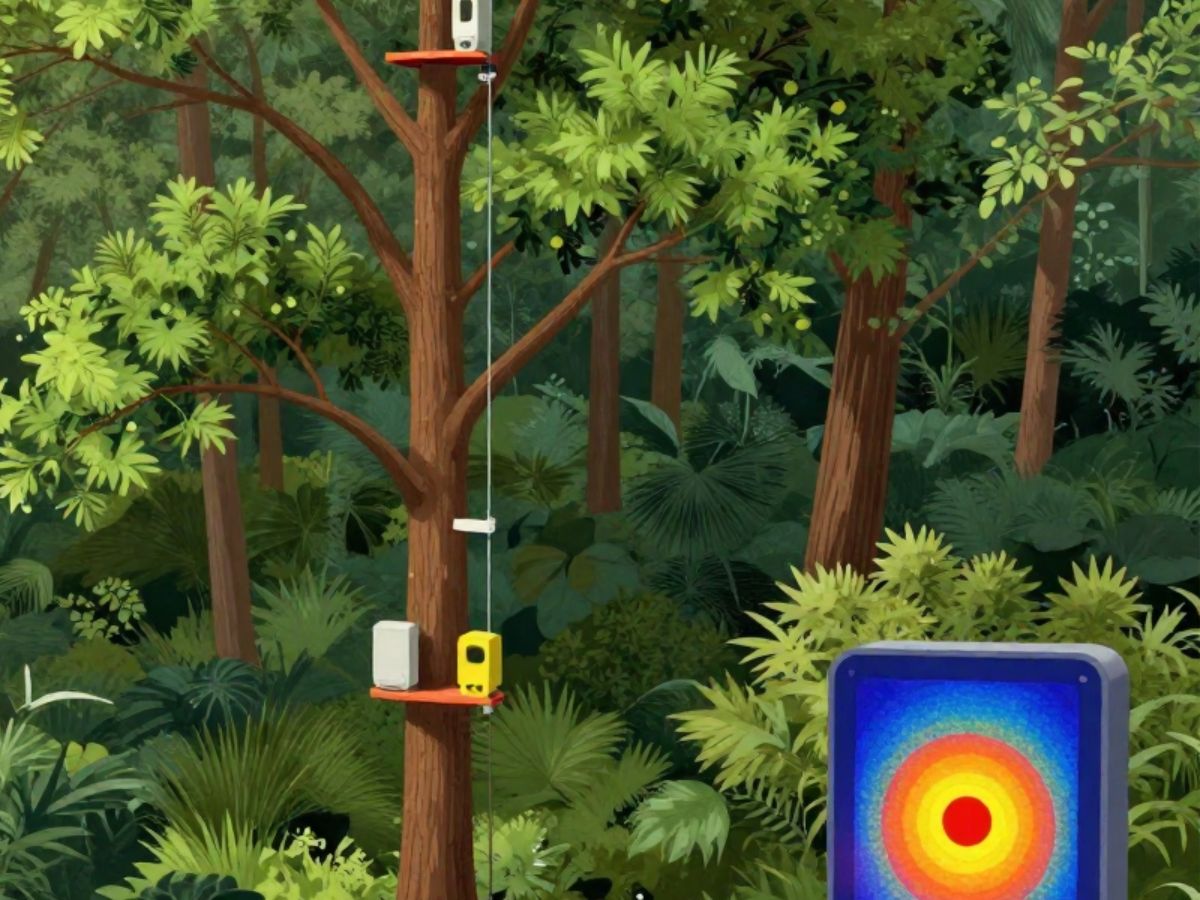
When you think about evaluating a tree’s health, you might assume it requires invasive methods, but non-invasive tree inspection techniques offer an effective alternative. These methods focus on thorough tree assessment without causing harm or stress to the tree. You can use tools like ultrasound to detect internal decay or ground-penetrating radar to explore root structures.
These techniques allow for accurate health monitoring while preserving the tree’s integrity. Additionally, visual inspections play an essential role. By observing symptoms like leaf discoloration or bark damage, you can gather critical information about the tree’s condition.
Combining these non-invasive methods provides an extensive picture of a tree’s health, helping you make informed decisions. You’ll find that non-invasive inspections not only protect the tree but also give you the confidence to manage its care effectively.
With these techniques, maintaining the tree’s vitality becomes a more straightforward and responsible task.
How Do Non-Invasive Inspections Assess Tree Health?
When evaluating tree health, you’ll rely on visual observation techniques and advanced imaging methods.
These approaches help you spot signs of stress and disease without causing any harm. Understanding how they work can give you valuable insights into the condition of your trees.
Visual Observation Techniques
Next, conduct a bark examination to assess the outer layer for cracks, peeling, or fungal growth. These symptoms can reveal problems like decay or pest infestations.
As you observe, pay attention to the overall structure and stability of the tree, noting any lean or unusual growth. By combining these visual techniques, you can gain valuable insights into the tree’s health, helping you make informed decisions about its care and management.
Advanced Imaging Methods
While you might rely on visual techniques for initial assessments, advanced imaging methods offer a deeper look into tree health without causing harm.
Thermal imaging detects temperature variations within the tree, revealing areas of stress or decay that aren’t visible to the naked eye. This method helps identify issues like water stress or internal decay by highlighting temperature differences in the trunk and branches.
On the other hand, electromagnetic scanning provides insights into the internal structure of the tree. By measuring the tree’s resistance to electromagnetic fields, you can assess wood density and detect cavities or defects.
Together, these techniques allow you to evaluate tree health thoroughly, ensuring you make informed decisions about care and management without invasive procedures.
Assessing Structural Integrity With Advanced Imaging
Advanced imaging techniques have revolutionized how we assess the structural integrity of trees, allowing for precise evaluations without causing any harm. By utilizing methods like ground-penetrating radar and ultrasound, you can gain insights into a tree’s internal condition.
These advanced tools enhance imaging accuracy, revealing hidden defects such as decay or cracks that might compromise tree stability.
When you apply these techniques, you can confidently determine whether a tree poses a risk to its surroundings. Rather than relying on visual inspections alone, you can uncover issues that aren’t immediately apparent.
This proactive approach not only helps in making informed decisions about tree management but also guarantees safety for people and property nearby.
Incorporating advanced imaging into your tree assessments ultimately leads to healthier, safer environments. By understanding the structural integrity of your trees, you can take the necessary actions to maintain their longevity and stability.
How to Identify Tree Diseases and Pests for Better Tree Health?
How can you spot tree diseases and pests before they cause serious harm? Start by observing tree symptoms like discolored leaves, wilting branches, or unusual growth patterns. These signs often indicate underlying issues.
For effective pest identification, inspect your trees regularly, checking for insects or signs of infestation. Understanding environmental factors, such as soil health and moisture levels, is essential for disease prevention. Utilize diagnostic tools like soil tests or visual inspections to assess tree health more accurately.
Once you identify any problems, explore treatment options that might include organic solutions or targeted pesticides.
Understanding the Role of Sonic Tomography in Tree Analysis
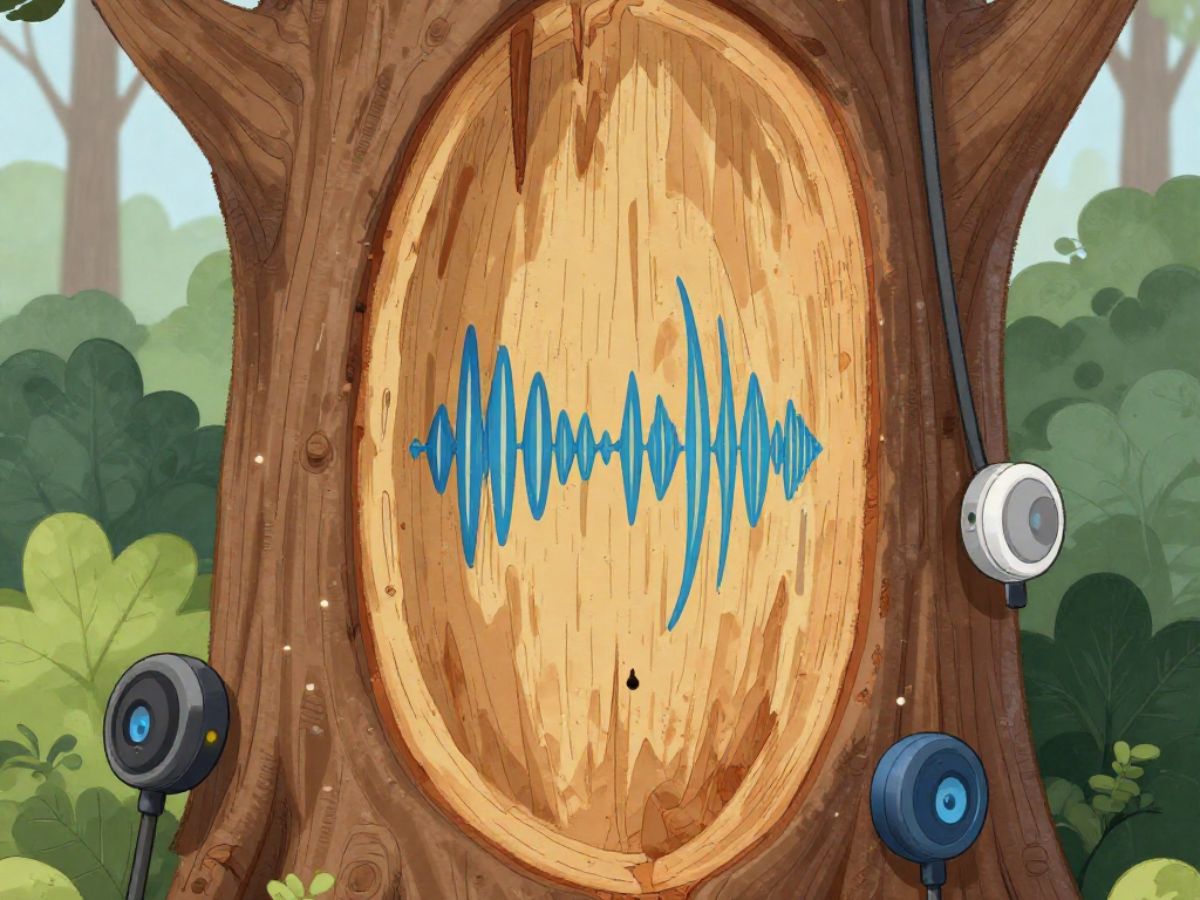
Sonic tomography is a powerful tool that helps you assess the internal condition of trees without causing any damage.
By understanding its benefits, you can make informed decisions about tree care and management.
Let’s explore how to interpret the results from this technology to enhance your tree analysis skills.
Benefits of Sonic Tomography
While many methods exist for evaluating tree health, sonic tomography stands out for its ability to provide detailed insights without harming the tree. This non-invasive technique leverages sound waves to assess internal conditions, ensuring high tomography accuracy.
Here are some benefits you can expect from using sonic applications:
- Non-invasive: Protects the tree’s integrity during assessment.
- Early detection: Identifies issues before they become severe.
- Comprehensive data: Offers a complete view of the tree’s internal structure.
- Real-time results: Provides immediate feedback for decision-making.
- Cost-effective: Reduces the need for costly invasive procedures.
Interpreting Tomography Results
Understanding the results from sonic tomography is key to effective tree management. This technology helps you visualize internal tree conditions, revealing issues like tree decay and root structure weaknesses. By interpreting the data, you can make informed decisions about tree care and safety.
Here’s a simplified breakdown of common tomography indicators:
| Indicator | Interpretation | Action Needed |
| High Density | Healthy wood | Monitor regularly |
| Low Density | Possible decay | Further inspection |
| Irregular Pattern | Weak root structure | Consider removal |
| Consistent Density | Stable condition | Maintain health |
| Sudden Changes | Immediate concern | Urgent evaluation |
Using Ground Penetrating Radar to Assess Root Health
Ground Penetrating Radar (GPR) offers an innovative way to assess root health without disturbing the soil. This radar technology allows you to visualize the root structure beneath the surface, providing essential insights into a tree’s condition.
Here’s what GPR can reveal:
- Root Density: Understand how compact or sparse the roots are.
- Depth of Roots: Determine how deep the roots penetrate the soil.
- Root Distribution: See how roots spread out and interact with surrounding soil.
- Health Indicators: Identify potential issues like decay or damage.
- Soil Conditions: Assess how soil quality affects root growth.
Using GPR, you can make informed decisions about tree management and care, ensuring a healthier urban forest.
This non-invasive method not only protects the tree but also preserves the surrounding environment, making it a valuable tool for arborists and land managers alike.
Benefits of Non-Invasive Inspections for Urban Forests
Non-invasive inspections, like those using Ground Penetrating Radar, not only enhance our understanding of individual trees but also greatly benefit urban forests as a whole. By evaluating root structures without causing damage, you can gain insights that support the health of the entire urban canopy. This method helps identify weaknesses or diseases early, allowing for timely interventions that preserve trees essential to ecological balance.
Moreover, healthy trees contribute to cleaner air and improved biodiversity, creating a more resilient urban environment. By maintaining a peak urban canopy, you’re actively supporting wildlife habitats and enhancing the aesthetic appeal of your neighborhood.
Non-invasive techniques also foster community engagement, as you can share findings with local residents, encouraging them to appreciate and care for their green spaces. Ultimately, these inspections empower you to make informed decisions, leading to thriving urban forests that benefit everyone.
Comparing Non-Invasive Methods to Traditional Inspections
While traditional inspections often rely on visual assessments and invasive techniques, non-invasive methods offer a modern alternative that prioritizes tree health without causing harm.
You might find that non-invasive advantages greatly outweigh traditional limitations. Here are some key comparisons:
- Minimal Disruption: Non-invasive techniques don’t damage the tree’s bark or roots.
- Comprehensive Data: Advanced tools provide detailed insights, unlike basic visual checks.
- Safety First: There’s less risk of injury for both inspectors and trees.
- Long-Term Health: These methods promote ongoing tree vitality rather than just immediate fixes.
- Cost-Effectiveness: Non-invasive approaches can reduce long-term maintenance costs.
Emerging Non-Invasive Technologies for Tree Health Management
Advancements in technology have greatly changed how we manage tree health. You can now utilize emerging non-invasive techniques to monitor tree wellness effectively. Tools like remote sensing and digital mapping allow you to gather extensive data without harming the trees. These technologies help you visualize tree health at a landscape level, making it easier to identify issues early.
Here’s a quick overview of some key technologies:
| Technology | Purpose |
| Remote Sensing | Assess large areas quickly |
| Digital Mapping | Create detailed health maps |
| Biometrics Analysis | Analyze growth and condition |
| Tree Wellness Metrics | Measure overall health |
Frequently Asked Questions
How Often Should Non-Invasive Tree Inspections Be Performed?
You should perform non-invasive tree inspections at least annually, considering seasonal changes. Monitoring during spring and fall helps identify issues early, ensuring your trees remain healthy and reducing the risk of potential problems later.
Can Non-Invasive Methods Detect All Types of Tree Diseases?
Non-invasive methods can’t detect all tree diseases; they have detection limitations. While they excel at disease identification in many cases, some issues require more invasive techniques for accurate diagnosis and effective treatment.
What Qualifications Should an Inspector Have for Non-Invasive Assessments?
For non-invasive assessments, guarantee your inspector has relevant certification requirements and substantial experience. They should understand tree biology, disease identification, and non-invasive techniques, guaranteeing accurate evaluations and effective recommendations for your trees’ health.
Are Non-Invasive Inspections Suitable for All Tree Species?
Non-invasive inspections aren’t suitable for all tree species due to species adaptability and inspection limitations. Some trees may require specific methods for accurate assessments, so it’s essential to take into account each species’ unique characteristics.
How Much Do Non-Invasive Tree Inspections Typically Cost?
Non-invasive tree inspections typically cost between $100 and $500, depending on factors like tree size, location, and specific techniques used. Understanding these cost factors helps you budget effectively for your tree care needs.
Final Thoughts
At Prime Tree Care, we know that non-invasive tree inspections can reveal critical information about a tree’s health, stability, and overall condition without causing unnecessary damage. From spotting internal decay and root concerns to identifying early signs of disease or structural weakness, these inspection methods make it possible to address problems early and help protect the long-term health of your trees and landscape.
If you want a clearer understanding of your trees’ condition or need expert help maintaining a safe and healthy property, our team is here to assist with professional tree pruning, dependable tree trimming, safe tree removal, and complete tree care services. Contact Prime Tree Care today to schedule an assessment and let us help you protect the beauty, safety, and health of your trees with trusted professional care.