
If you’re looking for quality tree transplanting services nearby, you’ve come to the right place. Transplanting trees boosts your property’s value, supports biodiversity, and enhances aesthetic appeal. Timing matters, so aim for early spring or fall when trees are dormant. Choose healthy trees and evaluate soil quality before making a decision. Look for experienced professionals who prioritize tree health. You’ll also want to avoid common mistakes in the process. There’s plenty more to discover about making the best choices!
Key Takeaways
- Assess local service providers for proven tree transplanting techniques and successful track records to ensure tree health and survival.
- Choose the right season for transplanting, ideally early spring or fall, to minimize stress on the tree.
- Evaluate soil quality and conditions to support healthy root growth and enhance the tree’s chances of thriving post-transplant.
- Implement immediate post-transplant care, including proper watering and mulching, to facilitate adaptation and long-term health.
- Request quotes from multiple services, comparing methods, experience, and any additional fees to find budget-friendly options.
Why You Should Transplant Trees: Key Benefits
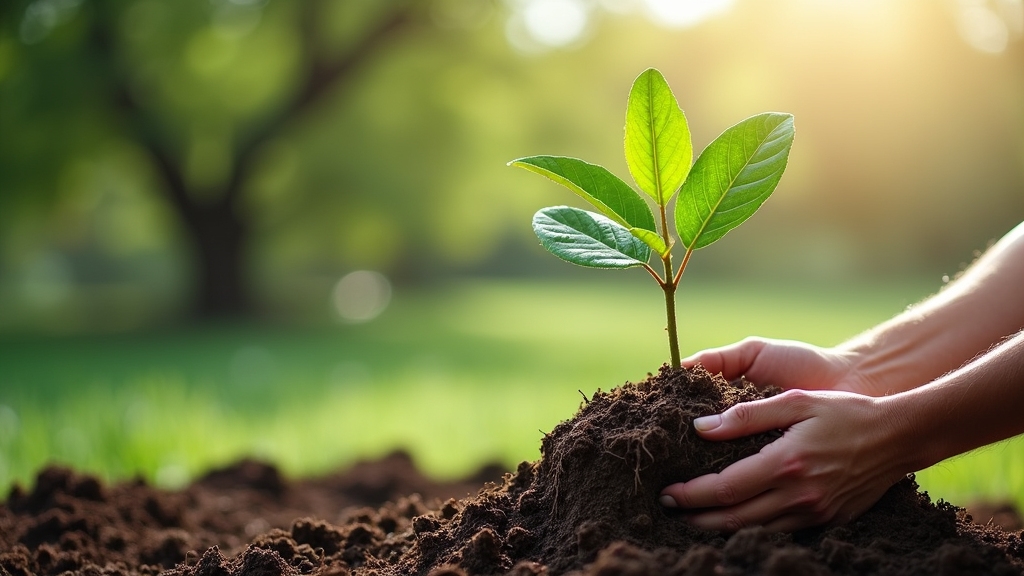
Transplanting trees offers numerous benefits that can enhance both your landscape and the environment. One of the key tree benefits is improving your property’s aesthetic appeal. A well-placed tree can provide shade, reduce energy costs, and even increase your home’s value.
Additionally, trees play an essential role in combating climate change. By transplanting them to suitable locations, you’re helping to reduce carbon dioxide levels and improve air quality, making a significant environmental impact.
Trees are vital in fighting climate change, enhancing air quality, and reducing carbon dioxide levels through thoughtful transplanting.
Moreover, transplanting trees can support local wildlife by creating habitats and food sources. You’re not just beautifying your space; you’re fostering biodiversity.
Healthy trees also help with soil erosion control and water management, ensuring a balanced ecosystem. So, whether you’re looking to enhance your garden or make a positive contribution to the environment, tree transplanting is a rewarding choice.
When Is the Best Time to Transplant Trees?
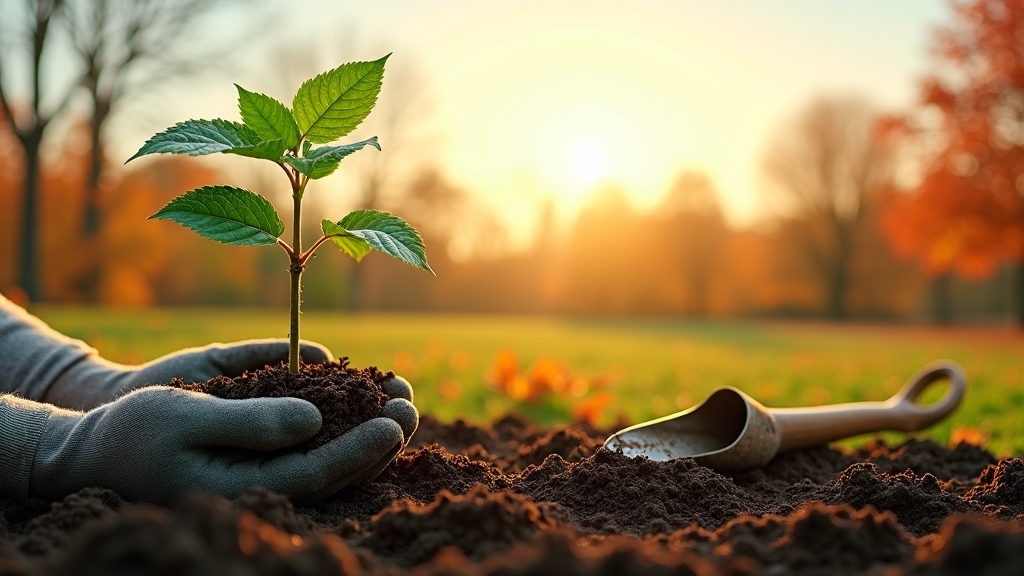
When’s the ideal time to transplant trees? The best time typically falls during the early spring or fall. These prime seasons allow trees to establish roots in cooler temperatures and before the stresses of summer heat or winter frost set in.
However, climate considerations play an essential role. If you live in a warmer area, you might find that late winter is better, as the ground is still workable but the trees are dormant. In colder climates, aim for early spring after the last frost.
Timing is everything; transplanting during these periods minimizes shock, helping your tree adapt to its new environment more effectively.
How to Choose the Right Tree for Transplanting
Choosing the right tree for transplanting starts with evaluating your soil conditions.
You’ll want to take into account factors like soil type and drainage to guarantee the tree thrives.
Additionally, think about the tree’s size, both at planting and when fully grown, to avoid future complications.
Assess Your Soil Conditions
Before you decide on the perfect tree to transplant, it’s crucial to assess your soil conditions. Start by testing your soil pH, which affects nutrient availability. Most trees thrive in slightly acidic to neutral soil (pH 6.0 to 7.0).
If your soil is too acidic or alkaline, it can hinder growth, so you might need to amend it.
Next, check the nutrient levels. Trees require essential nutrients like nitrogen, phosphorus, and potassium for healthy growth. A soil test can help you identify any deficiencies.
If your soil lacks nutrients, consider adding organic matter or fertilizers to improve its quality.
Consider Tree Size Factors
Understanding the size of the tree you want to transplant is essential, as it can greatly impact its survival and growth.
When considering a tree, keep these factors in mind:
- Tree Height: Taller trees may require more support and care during the transplanting process.
- Root Depth: A deeper root system can be more challenging to relocate, so assess how much of the root structure you can manage.
- Overall Health: Verify the tree is healthy, as a weak tree may struggle to adapt after transplanting.
What to Look for in Quality Tree Transplanting Services
When you’re considering tree transplanting services, it’s essential to know what to look for to guarantee a successful process. First, confirm the company prioritizes tree health. They should assess your tree’s condition and its environment before transplantation.
Look for professionals who use proven transplant techniques, as this greatly impacts the tree’s survival and growth after the move.
Next, check for experience and expertise. A reputable service will have a track record of successful transplants, so ask for references or case studies.
Additionally, they should offer a thorough plan that includes site preparation, proper timing, and aftercare to promote recovery.
Finally, consider their equipment and methods. Quality services use specialized tools to minimize root disturbance and confirm a smoother shift.
Evaluating Local Tree Transplanting Companies
Finding the right local tree transplanting company can make all the difference in guaranteeing your tree thrives in its new location.
Evaluating potential companies involves looking closely at their approach and credentials. Here are key factors to take into account:
- Company Reputation: Check online reviews and testimonials to gauge their reliability and expertise.
- Experience with Tree Health: Confirm they’ve a solid background in maintaining tree health during the transplanting process.
- Certifications and Insurance: Verify that they’re certified and insured to protect yourself from potential liabilities.
Essential Questions to Ask When Hiring Tree Transplanting Services?
How can you guarantee you’re choosing the right tree transplanting service for your needs? Start by asking about their experience and qualifications. Have they handled similar tree species?
Next, inquire about their methods—do they prioritize tree health during the process? You’ll want to know how they prepare the root ball and what steps they take to minimize stress on the tree.
Don’t forget to discuss transplant timing. When’s the best season for your specific tree? A knowledgeable service should have answers tailored to your tree’s needs.
Additionally, ask about their follow-up care. What support will they provide after the transplant?
Lastly, request references or reviews from past clients to gauge their reliability and professionalism. By asking these questions, you’ll feel more confident in your choice and guarantee your tree’s successful relocation.
What Happens During the Tree Transplanting Process?
When you start the tree transplanting process, you’ll first prepare the new site to guarantee it’s ready for your tree.
Next, you’ll explore various transplanting techniques and methods that suit your specific situation.
Understanding these steps helps assure your tree thrives in its new home.
Preparation Of The Site
Preparing the site for tree transplanting is an essential step that can greatly impact the tree’s survival.
Before you move forward, conduct a thorough site assessment to identify the best location for your tree. Consider essential environmental factors that will influence its growth.
- Soil Quality: Verify the soil is fertile and well-drained.
- Sunlight Exposure: Confirm the chosen spot receives adequate sunlight.
- Nearby Structures: Check for potential obstructions like buildings or power lines.
Transplanting Techniques And Methods
Transplanting a tree involves several key techniques that guarantee its successful relocation. First, you’ll need to focus on root ball preparation. This means carefully digging around the tree to capture as many roots as possible, ensuring you create a sturdy root ball.
The size of the root ball should match the tree’s size to minimize stress during the move.
Once the tree is lifted, you’ll plant it in its new location, ensuring the roots are properly spread out. Watering is essential at this stage to help the tree adjust.
Be mindful of transplant shock, as it can affect the tree’s health. Providing proper care, including mulching and regular watering, will help your tree thrive in its new home.
How to Prepare Your Tree for Transplanting
Before you dig in, it’s crucial to assess the health and stability of your tree. Start by checking for signs of disease or damage, as unhealthy trees can experience greater stress during transplanting.
Proper preparation will help guarantee your tree thrives in its new location.
Here’s what to focus on:
- Root ball: Carefully measure and prepare the root ball, ideally keeping it as intact as possible to minimize stress.
- Watering: Water your tree a day before transplanting to keep the roots hydrated and reduce shock.
- Pruning: Trim any damaged or excessive branches to balance the tree and support its recovery post-transplant.
The Role of Soil Quality in Successful Transplanting
When transplanting a tree, the quality of the soil can make or break your success.
You need to evaluate the soil’s composition, as well as its drainage and aeration properties. Ensuring these factors are ideal will help your tree thrive in its new location.
Soil Composition Importance
Soil quality plays a vital role in the success of tree transplanting. Understanding the soil composition helps guarantee your trees thrive in their new location.
Key factors to take into account include:
- Soil nutrients: Vital for growth, nutrients like nitrogen, phosphorus, and potassium must be balanced.
- Soil pH: The acidity or alkalinity of your soil affects nutrient availability, so it’s important to test and adjust accordingly.
- Organic matter: Incorporating compost or other organic materials improves soil structure and supports healthy root development.
Drainage and Aeration Factors
While understanding soil composition is essential, drainage and aeration also play a key role in successful tree transplanting. Good drainage prevents water from pooling, which can lead to root rot and compromise root health.
You need to guarantee that your soil allows excess water to escape while retaining enough soil moisture for the tree’s needs. Aeration is equally important; it allows oxygen to reach the roots, promoting healthy growth.
If the soil is compacted, roots struggle to expand, limiting their access to nutrients. Before transplanting, assess your soil’s drainage and aeration to create the best environment for your tree.
Expectations for Transplanting Day
On transplanting day, you’ll want to be prepared for a smooth process and minimal stress. Confirming your tree’s health and successful relocation hinges on effective transplanting preparations. Here’s what to expect:
- Arrival Time: The crew will arrive promptly, ready to start the transplanting process.
- Site Assessment: They’ll assess the new location, making sure it’s ideal for your tree’s health.
- Equipment Check: Expect them to have all necessary tools for a safe and efficient transplant.
During the transplanting, communication is key. Don’t hesitate to ask questions or express concerns. This is the moment to confirm the tree is handled with care.
Effective communication during the transplanting process ensures your tree is handled with care and meets your expectations.
Proper techniques will protect its root system and support overall tree health. Stay engaged and observe the process, as this knowledge will be invaluable for future care.
With the right preparations and support, your tree can thrive in its new home.
Immediate Care for Newly Transplanted Trees
After transplanting your tree, immediate care is essential for its survival.
You’ll want to focus on effective watering techniques and applying mulch to protect the roots.
These steps will help your new tree establish itself in its new home.
Watering Techniques Post-Transplant
Proper watering techniques are essential for the survival of newly transplanted trees. After transplanting, your focus should be on ensuring they receive adequate moisture.
Here are some effective methods:
- Drip irrigation: This system delivers water directly to the roots, minimizing evaporation and promoting deep growth.
- Deep watering: Water thoroughly but infrequently to encourage roots to grow deeper in search of moisture.
- Monitoring soil moisture: Regularly check the soil moisture level to adjust your watering schedule accordingly.
Mulching For Root Protection
Once you’ve established a consistent watering routine, mulching becomes an important next step for protecting the roots of your newly transplanted trees.
Applying a layer of mulch around the base serves two key purposes: it provides root insulation and enhances moisture retention. This protective barrier helps keep the soil temperature stable, preventing roots from overheating or freezing.
Furthermore, mulch reduces evaporation, ensuring your trees stay hydrated, especially during dry spells. Choose organic materials like wood chips or bark, which break down over time, enriching the soil.
Spread the mulch evenly, keeping it a few inches away from the trunk to avoid rot. With proper mulching, your trees will thrive, establishing strong roots in their new home.
Avoid These Common Mistakes in Tree Transplanting
Transplanting a tree can breathe new life into your landscape, but if you’re not careful, it can also lead to costly mistakes.
Transplanting a tree can rejuvenate your landscape, but careful planning is essential to avoid costly errors.
Many people fall for common misconceptions that can hinder the success of your transplanting techniques. Here are a few pitfalls to avoid:
- Ignoring the Right Season: Transplanting in the wrong season can stress the tree, leading to poor growth.
- Neglecting Root Care: Failing to properly manage the root ball can damage the tree’s ability to adapt in its new location.
- Overwatering or Underwatering: Balancing water is essential; too much or too little can shock the tree.
Being aware of these common mistakes can help guarantee your tree thrives in its new home.
With the right approach, you can enjoy a flourishing landscape for years to come.
How to Care for Newly Transplanted Trees
Caring for newly transplanted trees is essential for their survival and growth, especially in the days and weeks following relocation.
Start by watering your tree regularly, ensuring the soil remains moist but not soggy. This helps with root establishment, allowing the tree to adapt to its new environment. Aim for deep watering, which encourages roots to grow downward in search of moisture.
Fertilizing isn’t always necessary right after transplanting, but if your soil lacks nutrients, consider a balanced fertilizer to aid nutrient absorption. This supports healthy growth as your tree settles in.
Mulching around the base can retain moisture and regulate soil temperature, further promoting root establishment.
Keep an eye on your tree’s health, ensuring it receives adequate sunlight and protection from harsh weather. By providing this care, you’re setting the stage for a thriving, robust tree in the years to come.
Signs Your Transplanted Tree Needs Extra Attention?
How can you tell if your transplanted tree needs extra attention? Recognizing the signs of tree stress is essential for ensuring your tree’s successful recovery. Here are a few indicators to watch for:
- Wilting Leaves: If the leaves are drooping or losing their vibrancy, it’s a sign your tree may need more water or less direct sunlight.
- Bark Damage: Look for peeling or cracking bark, which can indicate stress or disease that requires immediate care.
- Poor Growth: If your tree hasn’t shown any new growth within a few weeks, it might need extra nutrients or a change in its environment.
Paying attention to these recovery signs can help you take timely action, ensuring your transplanted tree thrives in its new home.
If you notice these issues, don’t hesitate to consult a professional for guidance.
Affordable Tree Transplanting Services Near You
Finding affordable tree transplanting services near you can make a significant difference in the health and longevity of your trees. You don’t need to break the bank to guarantee your trees thrive in their new locations.
Discovering budget-friendly tree transplanting services can enhance the health and longevity of your trees without straining your wallet.
Start by exploring budget-friendly options that local service providers offer. Many companies have competitive pricing, and some even provide discounts for larger projects.
When searching, make a local service comparison to find the best fit for your needs. Check online reviews and ask neighbors for recommendations.
It’s essential to confirm that the service you choose not only fits your budget but also has a good reputation for quality work.
Don’t hesitate to reach out for quotes and ask about their experience with various tree species.
With the right affordable service, you can successfully transplant your trees and enjoy a flourishing landscape for years to come.
Frequently Asked Questions
How Can I Determine the Health of My Tree Before Transplanting?
To determine your tree’s health before transplanting, check for vibrant leaves, strong branches, and a healthy root system. Look for transplant signs like stunted growth or yellowing leaves, indicating potential issues that need addressing.
Will Transplanting Affect My Tree’s Growth or Flowering?
Yes, transplanting can temporarily affect your tree’s growth and flowering due to transplant stress. However, with proper care and time for root establishment, your tree should eventually thrive and regain its vigor.
What Tools Are Necessary for Transplanting a Tree?
To successfully transplant a tree, you’ll need a spade, pruning shears, a tarp, and a bucket for soil preparation. Mastering these tools enhances your transplanting techniques, ensuring your tree thrives in its new location.
Can I Transplant Trees During Extreme Weather Conditions?
You shouldn’t transplant trees during extreme weather conditions. The weather impact can increase tree stress, hindering their recovery. Wait for milder conditions to guarantee your trees thrive and adapt better to their new environment.
How Do I Handle Tree Roots During the Transplanting Process?
When transplanting, carefully dig around the root ball to preserve roots. If necessary, prune any damaged roots to encourage healthy growth. This guarantees your tree adapts well to its new environment and thrives.
Final Thoughts
Tree transplanting is a smart way to preserve mature trees, improve your landscape, and support long-term property value—but success depends on choosing the right tree, the right season, and the right method for protecting the root system. When transplanting is done correctly, you reduce stress on the tree, improve survival rates, and set it up to establish strong roots in its new location. The most important step is working with a team that prioritizes tree health from planning through post-transplant care.
At Prime Tree Care, we help homeowners and property managers make confident decisions about tree relocation and long-term maintenance. If you need a professional evaluation before moving a tree, our team can assess your goals and recommend the safest path forward through our full range of services. And once your trees are established, we can support healthier growth with routine tree trimming and structural care through tree pruning to reduce stress and improve stability over time.
If you’re planning to relocate a tree and want expert guidance from start to finish, schedule a consultation today: Contact Prime Tree Care.