
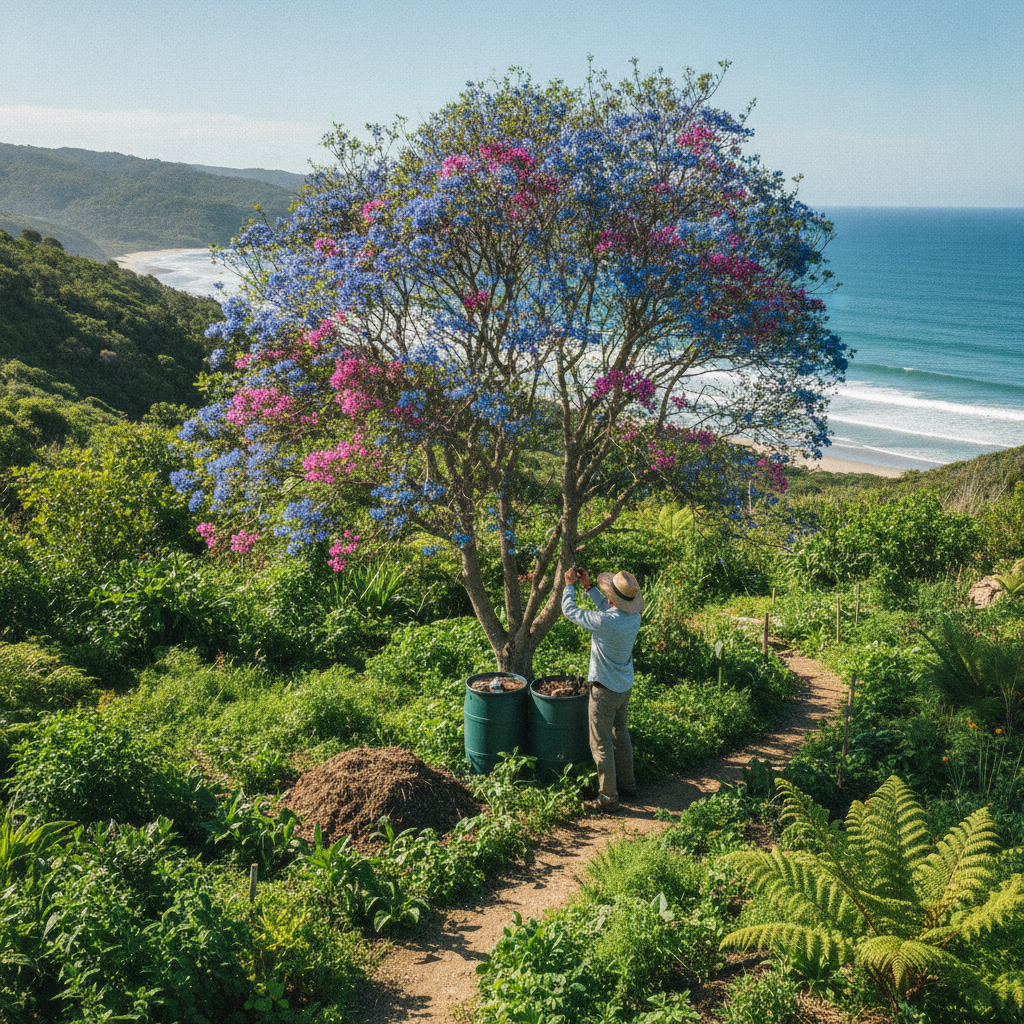
Whether you’re a small business owner, a developer, or a homeowner in the area, understanding the best tree pruning practices Blue Island professionals recommend is crucial for maintaining healthy, attractive landscapes. Proper tree pruning not only enhances curb appeal but also supports long-term tree health and safety. In this guide, we’ll explore the most effective techniques, timing, and tools for pruning trees in this community’s unique environment. You’ll learn why strategic pruning is an investment, how it prevents hazards, and what local standards mean for your property. By following expert advice, you can ensure your trees thrive, add value to your landscape, and avoid common mistakes that lead to costly issues. Whether you manage a commercial site or simply want your yard to flourish, these insights will help you make informed decisions about tree care. Let’s dive into the essentials of tree pruning and discover how you can keep your landscape vibrant and safe year-round.
Best Tree Pruning Practices for Blue Island
Applying the best tree pruning practices Blue Island experts recommend is essential for the health and longevity of your landscape. Pruning is more than just cutting branches; it’s a strategic process that encourages strong growth, removes hazardous limbs, and shapes trees for aesthetic appeal. Timing is critical: late winter or early spring is ideal for most species, as trees are dormant and less prone to disease. Always use sharp, clean tools to make clean cuts, which help trees heal faster and reduce the risk of infection. Focus on removing dead, diseased, or crossing branches first, then thin out crowded areas to improve air circulation. Avoid over-pruning, as removing too much foliage can stress the tree. For larger or mature trees, consider hiring certified arborists who understand the unique needs of local trees. If you need help with lot clearing or large-scale pruning, visit our site for professional services tailored to this region’s landscapes. For additional service details and local availability, readers can visit our site.
Best Tree Pruning Practices for Blue Island, IL
Incorporating the best tree pruning practices Blue Island professionals use in Illinois ensures your trees withstand the area’s seasonal changes. Local climate and soil conditions influence how and when trees should be pruned. For instance, pruning during the dormant season helps prevent sap loss and minimizes pest infestations. Use the three-cut method for larger branches to avoid tearing bark and damaging the trunk. Always prune just outside the branch collar to support natural healing. Be mindful of city regulations regarding tree maintenance, especially for street trees or those near utility lines. Regular inspections allow you to identify issues early, such as weak crotches or storm damage. For property owners seeking expert care, Prime Tree Care, Inc offers specialized pruning services that align with local standards and promote robust, beautiful trees throughout the neighborhood. For related information, see Prime Tree Care, Inc.
Best Tree Pruning Practices for Blue Island Illinois
When considering the best tree pruning practices Blue Island Illinois landscapes require, it’s important to recognize the diversity of tree species present. Each type, whether oak, maple, or ornamental, has distinct needs. For example, oaks should only be pruned in winter to prevent oak wilt, while fruit trees benefit from annual thinning to boost yield. Safety is paramount: never prune near power lines without professional assistance. Inspect tools before use to ensure they’re sanitized and in good condition. Mulching around the base after pruning helps retain moisture and protect roots. If you’re unsure about the right approach for your property, consult with local experts. You can find reliable, community-trusted professionals like Prime Tree Care, Inc for advice and on-site assessments tailored to the region’s unique tree population.
Why Tree Pruning Matters for Local Landscapes
Tree pruning is a vital aspect of landscape management in this community. Well-pruned trees are less likely to drop limbs during storms, reducing the risk of property damage and injury. Pruning also encourages healthy growth patterns, allowing sunlight to penetrate the canopy and reach lower branches and surrounding plants. This process helps prevent the spread of disease by removing infected or infested limbs before problems escalate. For businesses and developers, maintaining attractive, well-shaped trees enhances curb appeal and can even increase property values. Regular pruning also ensures that trees don’t interfere with signage, walkways, or parking areas. By following the best tree pruning practices Blue Island property owners trust, you create safer, more inviting spaces for customers and residents alike. Investing in proper tree care is a proactive step toward a healthier, more sustainable landscape.
Key Tools for Effective Tree Pruning
Having the right tools is essential for implementing the best tree pruning practices Blue Island landscapes benefit from. Hand pruners are ideal for small branches, while loppers handle medium-sized limbs. For larger branches, a pruning saw provides the necessary leverage and cutting power. Pole pruners extend your reach for higher branches without needing a ladder, increasing safety. Always keep blades sharp and clean to ensure precise cuts and minimize the risk of disease transmission. Disinfect tools between trees, especially when dealing with diseased wood. Safety equipment, such as gloves, eye protection, and hard hats, is crucial when working overhead. For extensive pruning or mature trees, consider renting or purchasing a sturdy ladder with a wide base. Investing in quality tools not only makes the job easier but also supports the long-term health of your trees, allowing you to follow best practices with confidence and efficiency.
When and How Often to Prune Trees
Timing is a critical factor in the best tree pruning practices Blue Island residents should adopt. Most trees benefit from pruning during the dormant season, typically late winter to early spring, as this minimizes stress and reduces the risk of pest infestations. However, some species, like flowering trees, may require pruning right after blooming to encourage next year’s growth. Young trees should be pruned annually to establish a strong structure, while mature trees may only need maintenance every few years. Regular inspections help determine when pruning is necessary, especially after storms or high winds. Avoid pruning during periods of extreme heat or drought, as this can further stress trees. By adhering to a consistent schedule and understanding each tree’s unique needs, you’ll promote vigorous growth and maintain a safe, attractive landscape throughout the year.
Common Tree Pruning Mistakes to Avoid
Even with the best tree pruning practices Blue Island property owners follow, mistakes can happen. One common error is topping, or cutting back large branches to stubs, which weakens trees and leads to unsightly regrowth. Over-pruning, or removing too much foliage at once, can stress trees and leave them vulnerable to pests and disease. Cutting too close to the trunk damages the branch collar, hindering natural healing. Using dull or dirty tools increases the risk of infection and makes clean cuts difficult. Neglecting to prune at all allows dead or diseased branches to accumulate, posing safety hazards. Always research the specific needs of your tree species and consult professionals for large or high-risk jobs. By avoiding these pitfalls and sticking to proven best practices, you’ll ensure your trees remain healthy, safe, and visually appealing for years to come.
Tree Pruning and Local Regulations
Understanding local regulations is an essential part of the best tree pruning practices Blue Island area property owners should know. Many municipalities have rules regarding the maintenance of trees near sidewalks, streets, and utility lines. Permits may be required for removing or significantly pruning certain species, especially those designated as heritage or protected trees. Violating these regulations can result in fines or mandatory remediation. It’s also important to coordinate with utility companies before pruning near power lines to ensure safety and compliance. For commercial properties, maintaining clear sightlines for signage and driveways is often mandated by city codes. Staying informed about local ordinances and consulting with certified arborists helps you avoid legal issues and ensures your tree care practices align with community standards. This proactive approach protects your investment and supports the overall health of the neighborhood’s urban forest.
Table: Tree Pruning Methods and Their Benefits
| Pruning Method | Description | Key Benefits |
|---|---|---|
| Crown Thinning | Selective removal of branches to increase light and air flow. | Reduces wind resistance, improves health, maintains shape. |
| Crown Raising | Removing lower branches to clear space below the canopy. | Improves clearance for vehicles, pedestrians, and views. |
| Crown Reduction | Reducing the overall size of the canopy. | Controls size, reduces risk of breakage, maintains structure. |
| Deadwooding | Removing dead or dying branches. | Prevents hazards, improves appearance, supports health. |
| Structural Pruning | Shaping young trees for strong growth. | Encourages stable structure, reduces future maintenance. |
Signs Your Trees Need Pruning
Recognizing when your trees need attention is a key part of the best tree pruning practices Blue Island property owners rely on. Look for dead or broken branches, which can fall and cause damage or injury. Dense, overcrowded canopies may block light and air, fostering disease. Branches that cross or rub against each other should be removed to prevent wounds and decay. Trees with limbs growing too close to buildings, power lines, or walkways require prompt pruning for safety. Fungal growth, such as mushrooms at the base, may indicate internal decay and the need for professional assessment. Regularly inspecting your landscape allows you to address minor issues before they become major problems. By staying vigilant and acting quickly, you help your trees remain healthy, resilient, and visually appealing throughout the seasons.
Professional vs DIY Tree Pruning
Deciding between professional and DIY pruning is an important consideration in the best tree pruning practices Blue Island residents should evaluate. While small trees and minor pruning tasks can often be handled by property owners with proper tools and safety precautions, larger or mature trees present greater risks. Professionals bring expertise in identifying structural issues, disease, and optimal pruning techniques. They also have specialized equipment for reaching high branches and managing heavy limbs safely. Attempting to prune large trees without experience can lead to injury or property damage. Additionally, professionals are familiar with local regulations and can ensure compliance. If you’re unsure about a tree’s health or the scope of work required, it’s wise to consult a certified arborist. Investing in professional services often saves time, reduces risk, and delivers superior results for your landscape.
Maintaining Tree Health After Pruning
Aftercare is a crucial component of the best tree pruning practices Blue Island property owners should implement. Once pruning is complete, monitor trees for signs of stress, such as wilting leaves or excessive sap flow. Water newly pruned trees during dry spells to support recovery, but avoid overwatering, which can promote root rot. Mulch around the base helps retain moisture and regulate soil temperature, but keep mulch away from the trunk to prevent decay. Inspect wounds periodically for signs of disease or insect infestation. Avoid using wound dressings, as they can trap moisture and hinder healing. Fertilize only if a soil test indicates a deficiency. By providing attentive aftercare, you help trees recover quickly and maintain their vigor, ensuring your landscape remains healthy, safe, and beautiful throughout the year.
The Takeaway
Embracing the best tree pruning practices Blue Island property owners trust is the key to cultivating healthy, resilient, and attractive landscapes. By understanding the unique needs of local trees, using proper tools, and following expert timing and techniques, you can prevent hazards, enhance curb appeal, and support long-term tree health. Remember, regular inspections and timely pruning are proactive steps that protect your investment and contribute to the beauty of this community. Whether you choose to handle small tasks yourself or rely on certified professionals for larger projects, prioritizing tree care ensures your property remains safe and inviting. Stay informed about local regulations, avoid common mistakes, and provide attentive aftercare for optimal results. With these best practices, your trees will continue to thrive, adding value and enjoyment to your landscape for years to come.