
If you’ve got storm-wrecked trees, you need immediate help! High winds and heavy rains can weaken trees, making them a safety hazard. Our team comes equipped with chainsaws to safely assess and remove unstable trees and debris, preventing further damage to your property. Ignoring these issues can lead to increased danger and costly repairs. Let us handle it so you can stay safe. Stick around to discover how to protect your trees from future storms!
Key Takeaways
- Storm damage can compromise tree stability, making prompt removal essential to prevent accidents and property damage.
- Professional tree services ensure safe and efficient removal using specialized techniques and equipment.
- Assess areas for hazards like downed power lines before starting tree removal for safety.
- Review insurance policies, as some may cover tree removal costs after storm damage.
- After removal, consider soil restoration and replanting native species to support local ecosystems.
Understanding Storm Damage to Trees

When storms hit, understanding how they damage trees is essential for evaluating safety and potential recovery. Tree anatomy plays a significant role in this process. The roots anchor the tree, while the trunk supports its weight and branches.
High winds can uproot trees, especially if their roots are shallow or compromised. Rain-soaked soil adds to this risk, weakening the grip of roots.
Branches may snap under the pressure, particularly those that are dead or unhealthy. Recognizing the importance of storm resilience helps you choose tree species that can weather severe weather conditions better.
Trees with strong, flexible wood and deep root systems are generally more resistant to storm damage.
Signs Your Trees Need Immediate Attention
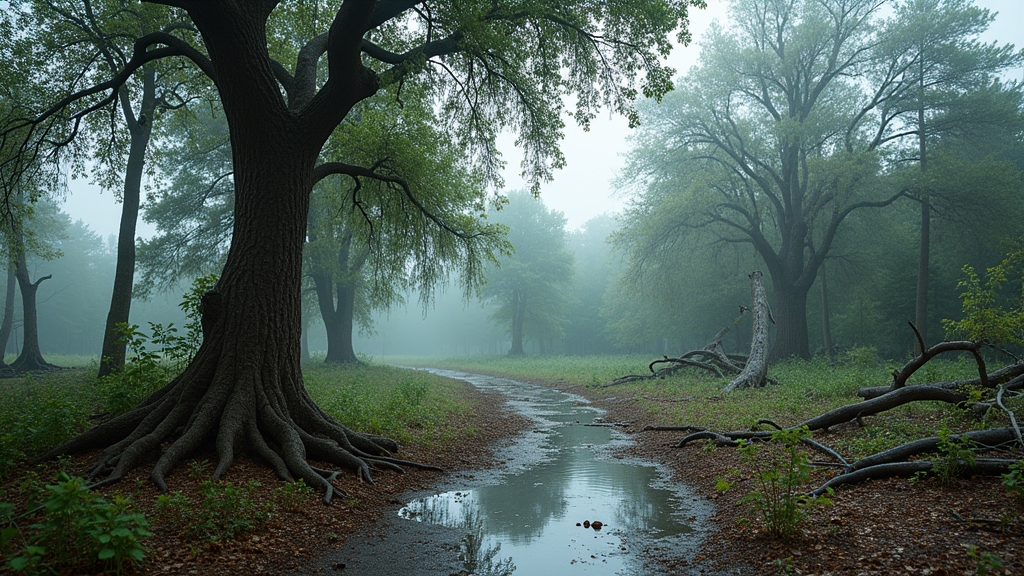
After a storm, you should closely inspect your trees for signs of trouble.
Look for visible damage, leaning trunks, and dead branches or foliage that could indicate a need for immediate attention.
Ignoring these signs can lead to bigger problems down the line, so stay proactive.
Visible Damage Assessment
Storms can leave behind a trail of destruction, making visible damage assessment essential for your trees’ health.
After a storm, look for broken branches, torn bark, or deep cracks in the trunk. These signs indicate significant storm impact and can compromise your tree’s stability.
If you notice any of these issues, it’s vital to take action. Assess whether the damage affects the tree’s overall structure or growth.
Recovery strategies can include pruning damaged limbs or, in severe cases, removing the tree entirely.
Don’t wait—addressing visible damage promptly can help your trees recover and thrive.
Leaning Tree Warning Signs
How can you tell if a tree needs immediate attention? Watching for leaning tree indicators is essential for maintaining safety and health in your yard. A tree that’s leaning can pose a risk to you and your property.
Here are some signs to look for during your tree stability assessment:
- Noticeable tilt from its original position
- Cracks in the trunk or ground around the base
- Exposed roots that are no longer anchored
- Missing bark or damaged areas on one side
- Nearby signs of soil erosion
If you spot any of these indicators, it’s time to consult a professional.
Don’t wait until it’s too late—taking action now can prevent costly damage later.
Dead Branches and Foliage
While leaning trees signal potential danger, dead branches and foliage are equally alarming indicators that your trees need immediate attention. If you notice any signs of branch decay, it’s essential to act quickly. Dead branches not only pose a risk to your property but also hinder healthy growth. Effective foliage management helps maintain the overall health of your trees, ensuring they thrive.
| Signs | Implications | Actions |
| Dead branches | Risk of falling | Trim or remove |
| Discolored foliage | Possible disease | Inspect for pests |
| Sparse leaves | Stress or nutrient deficiency | Fertilize and water |
Why Prompt Tree Removal Is Essential After a Storm

After a storm, prompt tree removal is essential for your safety and property.
Fallen branches and unstable trees pose significant hazards that can lead to injury or damage. Acting quickly not only protects your space but also helps restore the overall health of your remaining trees.
Safety Hazards Assessment
When storms release their fury, the aftermath often leaves behind a landscape littered with fallen branches and uprooted trees, creating significant safety hazards.
Quick action is essential for hazard identification and risk assessment to guarantee your safety and that of others.
- Fallen branches can cause injuries.
- Uprooted trees may block roads or paths.
- Hidden wires can pose electrocution risks.
- Debris can create tripping hazards.
- Unstable trees might fall unexpectedly.
Property Damage Prevention
Prompt tree removal is essential for preventing further property damage in the wake of a storm, as fallen trees and branches can compromise structures, vehicles, and landscapes.
Delaying removal can lead to costly repairs, especially if your tree insurance doesn’t cover ongoing damage from neglected trees. You want to be proactive, evaluating your property for hazards and taking action quickly.
Storm preparedness means knowing when to call in professionals to handle the cleanup safely and efficiently. By acting fast, you minimize risks and protect your investment in your home and yard.
Tree Health Restoration
To guarantee your trees recover and thrive after a storm, swift removal of damaged limbs and fallen trees is essential. This not only aids in tree recovery but also supports the overall health of your landscape.
Here are some key steps to reflect on:
- Pruning techniques that promote root health
- Soil restoration to revitalize nutrient levels
- Nutrient supplementation to boost growth
- Pest management to prevent infestations
- Tree monitoring to confirm ongoing health
Dangers of Neglecting Storm-Damaged Trees
Neglecting storm-damaged trees can lead to serious hazards that put you and your property at risk. When you ignore these trees, you compromise their stability and storm resilience, potentially resulting in falling branches or even entire trees.
Root damage can weaken them further, increasing the likelihood of accidents. Additionally, neglecting these trees can have a significant environmental impact, such as soil erosion, which affects not just your property but the entire community’s ecological balance.
Different tree species react differently to storms, and understanding this can help you assess their long-term health. In urban forestry, prioritizing community safety means addressing storm-damaged trees promptly.
Ensuring Safety With Our Chainsaw Services
When you face the aftermath of a storm, ensuring safety is crucial, and our chainsaw services are here to help. We prioritize chainsaw safety to protect you and your property while addressing storm-damaged trees efficiently.
Here’s how we do it:
- Assess the situation quickly and accurately
- Use specialized equipment for safe tree service
- Follow strict safety protocols during every job
- Dispose of debris responsibly to prevent hazards
- Provide expert advice on future tree care
You shouldn’t tackle this alone; our trained professionals know how to handle fallen branches and unstable trees safely.
By relying on our services, you’re not just protecting your property but also ensuring your safety and peace of mind. We’re committed to delivering quality and care, so you can focus on rebuilding without worry.
Let’s handle the heavy lifting!
Should You Remove or Trim Your Trees?
When deciding whether to remove or trim your trees, it’s essential to assess their health and any potential risks they pose.
Professional trimming can enhance your trees’ appearance and longevity while ensuring safety.
Understanding these factors will help you make the best choice for your landscape.
Assessing Tree Health Risks
As you assess the aftermath of a storm, it’s essential to evaluate the health of your trees to determine whether they should be removed or trimmed.
Consider the following factors:
- Tree species: Some are more resilient to storms than others.
- Root stability: Check for visible damage or uprooting.
- Soil health: Healthy soil supports strong roots.
- Environmental factors: Analyze the overall weather impacts on growth patterns.
- Insect infestations: These can weaken trees, making them more vulnerable.
Benefits Of Professional Trimming
After evaluating the health of your trees, the next decision involves whether to remove or trim them.
Trimming can greatly benefit your trees, promoting healthier tree growth. Professional tree trimmers use specialized trimming techniques that guarantee the right branches are cut at the right angles, allowing sunlight to reach the inner leaves and encouraging fuller, stronger growth.
Removing dead or damaged branches also reduces the risk of disease spread and improves your tree’s overall appearance. Additionally, proper trimming enhances safety by eliminating potential hazards from falling limbs.
Why Professional Tree Removal Matters After Storm Damage
While storm damage can leave your property looking like a war zone, professional tree removal is essential for safety and restoration.
Storm damage can transform your property, making professional tree removal vital for safety and effective restoration.
It’s not just about aesthetics; it’s crucial for several reasons:
- Preventing tree disease: Damaged trees can harbor pests and diseases.
- Maintaining soil stability: Roots that are compromised can lead to erosion.
- Protecting wildlife habitats: Safe removal helps preserve local ecosystems.
- Ensuring community safety: Fallen branches can pose risks to you and your neighbors.
- Simplifying insurance claims: Professionals document damage, streamlining your claims process.
Precision Techniques for Safe Chainsaw Use
When you’re using a chainsaw, safety should be your top priority.
Wearing the right gear, knowing proper cutting angles, and keeping your equipment well-maintained are essential for safe operation.
Let’s explore these precision techniques to guarantee you tackle storm-wrecked trees effectively and safely.
Essential Safety Gear
Before you start tackling storm-wrecked trees with a chainsaw, it’s crucial to equip yourself with the right safety gear. Proper safety equipment not only protects you but also enhances teamwork strategies during your task.
Here’s what you’ll need:
- Protective clothing (chaps, gloves, and eye protection)
- Hard hat for head safety
- Sturdy, non-slip boots
- First aid kit for emergencies
- Communication signals to coordinate with your team
Always prioritize hazard awareness and gear maintenance to make sure everything is in top shape.
Familiarize yourself with emergency protocols, so you’re ready for any situation. With the right preparation, you can tackle the job safely and effectively.
Proper Cutting Angles
Mastering proper cutting angles is essential for safely and effectively using a chainsaw on storm-wrecked trees. Understanding angle importance helps you make clean cuts while minimizing kickback risks.
When cutting, keep the bar at a 45-degree angle for ideal performance, guaranteeing the chain engages the wood efficiently. Use a downward angle for felling, allowing gravity to assist. For limb removal, a slight upward angle works best, helping you avoid binding the chain.
Remember, your body position matters too—stand to the side of the cut to stay safe. Employing these cutting techniques not only enhances your efficiency but also guarantees your safety.
Maintenance Best Practices
Although you might be enthusiastic to tackle storm-wrecked trees, keeping your chainsaw well-maintained is crucial for safe and effective use. Proper maintenance not only guarantees your safety but also supports tree care practices that promote healthy growth.
- Inspect the chain regularly for sharpness; dull chains can damage trees and slow you down.
- Clean the air filter to promote peak engine performance and reduce environmental impact.
- Lubricate moving parts to prevent wear and extend the chainsaw’s lifespan.
- Check fuel levels and use the right mixture for your chainsaw type.
- Store your chainsaw correctly during off-seasons to protect it from pests and moisture.
Understanding Tree Removal Permits
When you’re faced with the aftermath of a storm and need to remove fallen or damaged trees, understanding tree removal permits can save you time and potential legal headaches. Each locality has different permit regulations, so familiarize yourself with local ordinances before starting the application process.
Check if your situation qualifies for emergency exceptions, which might expedite your approval timeline.
Gather the required documentation, as missing information can lead to denial reasons that delay your project. Be prepared to pay permit fees, which vary by location.
If your permit gets denied, know there’s an appeal process you can follow, but it’s best to guarantee compliance with the guidelines to avoid future issues.
Ultimately, understanding these elements will streamline your tree removal and help you restore your property safely and legally.
How to Prepare for Tree Removal After a Storm
Before you start tree removal after a storm, it’s essential to assess the area for safety hazards. This step is vital for your safety and effective tree recovery. Here’s what to look for:
- Downed power lines: Stay clear and contact your utility company.
- Weak branches: Identify any hanging branches that may fall.
- Uneven ground: Watch for unstable surfaces where you might trip.
- Nearby structures: Verify you have a clear zone away from homes or fences.
- Weather conditions: Be aware of wind or rain that could hinder your work.
Once you’ve assessed the area, gather your tools and confirm you have the right gear.
Proper storm preparedness can make all the difference in executing a safe and efficient tree removal.
What to Do After Tree Removal
After safely removing the tree, the next steps are essential for restoring your yard and preventing future issues.
Start with soil restoration to enhance root health, ensuring the ground can support new growth. Consider replanting native species to strengthen your landscaping options and support local wildlife habitat.
Enhancing soil health and replanting native species fosters new growth and supports local wildlife habitats.
Incorporate mulch and organic matter to improve soil quality and promote ecological balance.
Don’t forget about storm resilience; choose trees that withstand extreme weather. Engage with community support to learn about urban forestry practices that benefit your neighborhood.
Lastly, develop an emergency preparedness plan for future storms. This proactive approach not only aids in tree recovery but also fosters a healthier environment.
Choosing the Right Tree Service Company
How can you guarantee you’re choosing the right tree service company? It’s essential to look for a few key factors that guarantee quality and reliability. Here’s what to evaluate:
- Tree service credentials: Verify their qualifications and certifications.
- Customer testimonials: Read reviews to gauge past client satisfaction.
- Emergency response: Verify they can act quickly when storms strike.
- Insurance coverage: Confirm they’re fully insured to protect you from liability.
- Pricing transparency: Ask for clear quotes, avoiding hidden fees.
Additionally, check their adherence to local regulations and equipment standards.
Eco-friendly practices and community involvement can also indicate their commitment to responsible service.
Cost Factors in Storm Damage Tree Removal
When a storm leaves trees damaged, understanding the cost factors in their removal becomes essential. First, you’ll want to conduct a cost analysis to gauge removal pricing. Factors like tree types play a significant role; larger, more complex trees typically incur higher equipment costs and labor expenses.
Understanding the cost factors of tree removal is crucial, especially after storm damage, as tree types significantly impact pricing and labor.
If you need emergency services, be prepared for potential surcharges.
Moreover, consider your insurance coverage. Some policies may offset removal costs, so check with your provider. Local regulations can also affect pricing; permits might be necessary for certain removals, adding to your expenses.
Don’t forget disposal fees, as they can vary based on the amount of debris.
Finally, service comparisons can help you find the best value. Reach out to multiple tree services to get quotes and evaluate their offerings, ensuring you make an informed decision that fits your budget and needs.
Preventive Measures: Protect Your Trees From Future Storms
To safeguard your trees from future storms, it’s crucial to implement preventive measures that strengthen their resilience.
By focusing on tree care, you can enhance storm resilience and minimize damage during severe weather.
- Choose the right species for your location to guarantee natural wind resistance.
- Utilize proper pruning techniques to remove weak branches and improve overall structure.
- Apply mulch around the base to retain soil moisture and support root protection.
- Monitor soil health regularly to confirm your trees have the nutrients they need for robust growth.
- Prepare for emergencies by having a plan in place for tree care and removal.
Frequently Asked Questions
How Can I Identify Trees at Risk Before a Storm Hits?
To identify trees at risk before a storm, check their health. Look for signs of decay, weak branches, or shallow roots. Strengthening storm resilience through regular maintenance helps guarantee your trees withstand severe weather better.
What Equipment Do Professionals Use for Safe Tree Removal?
Professionals use various chainsaw types for cutting, alongside safety gear like helmets, gloves, and goggles. This combination guarantees you stay protected while efficiently removing trees, reducing risks during the process. Always prioritize safety!
Can I Legally Remove a Tree on My Property Without a Permit?
You can often remove a tree on your property without a permit, but check local tree removal regulations first. Understanding your property rights guarantees you’re compliant and avoids potential fines or disputes. Always verify before acting.
What Are the Environmental Impacts of Removing Storm-Damaged Trees?
Removing storm-damaged trees can disrupt tree biodiversity, increase soil erosion, and harm wildlife habitats. It affects carbon storage and can destabilize ecosystem balance, hindering storm recovery efforts and the overall health of your environment.
How Long Does the Tree Removal Process Typically Take?
Tree removal typically takes a few hours to a couple of days, depending on the storm aftermath and tree removal efficiency. Factors like tree size, accessibility, and equipment can influence that timeline considerably.
Final Thoughts
Storm-damaged trees aren’t just an eyesore—they’re a serious safety risk that shouldn’t be ignored. Cracked trunks, hanging limbs, and uprooted trees can cause sudden accidents and costly property damage if left unaddressed. Acting quickly after a storm helps protect your home, restore safety, and prevent small problems from escalating into major hazards.
When the damage is severe, professional help makes all the difference. Prime Tree Care, Inc is ready to respond with dependable emergency tree service and experienced crews equipped for safe, efficient removal. From urgent storm response to planned tree removal and corrective tree trimming, our team provides solutions designed to protect your property and restore peace of mind. You can also explore our full range of tree care services to stay prepared for future storms.
If your trees were hit hard and safety is a concern, don’t wait. Reach out to Prime Tree Care, Inc today through our Contact Us page to schedule fast, professional assistance and get your landscape back under control.