
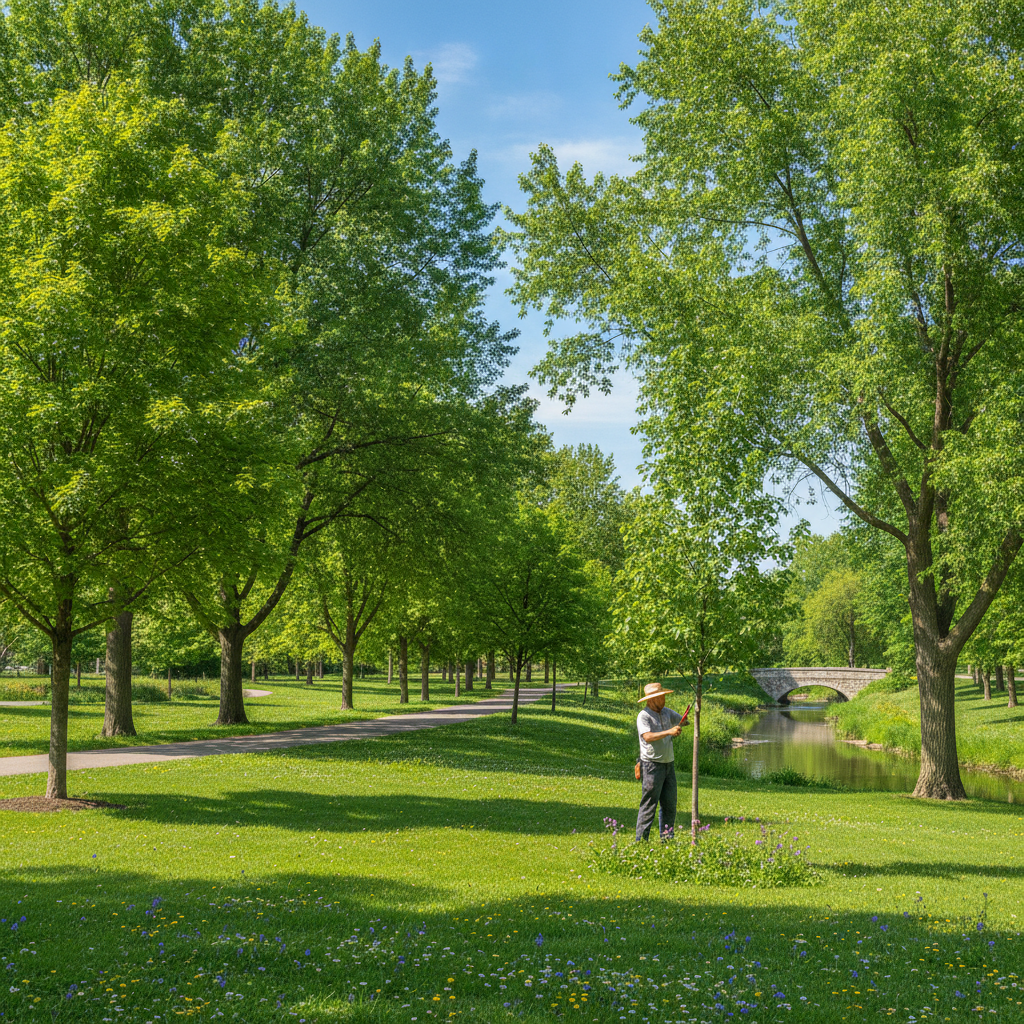
Maintaining tree health Blue Island is essential for small business owners, developers, and residents who want their landscapes to thrive. Trees not only add beauty and value to properties, but they also provide shade, improve air quality, and create a welcoming environment for customers and the community. However, keeping trees strong and healthy in this city requires more than just occasional watering. Local weather, soil conditions, and urban development all play a role in how trees grow and survive. Whether you own a business, manage a property, or simply care about the area’s green spaces, understanding the best practices for tree care can help you make informed decisions. In this guide, you’ll discover practical tips, expert advice, and proven strategies to ensure your trees remain robust and resilient for years to come. Let’s explore how you can promote tree health Blue Island and support a greener, healthier community.
Tree Health Tips for Blue Island
Trees in this community face a unique set of challenges, from compacted urban soils to unpredictable Midwest weather. To ensure tree health Blue Island, it’s important to start with the basics: regular inspections, proper watering, and timely pruning. Look for signs of stress such as wilting leaves, dead branches, or unusual discoloration. Early detection of issues like pests or disease can prevent long-term damage. Mulching around the base helps retain moisture and regulate soil temperature, but keep mulch a few inches away from the trunk to prevent rot. If a tree is damaged in a storm or shows sudden decline, don’t hesitate to seek professional help. For urgent needs, Blue Island tree health services are available to address emergencies and restore your landscape quickly. By staying proactive, you help your trees withstand the pressures of urban life and continue to flourish. For related information, see Blue Island tree health.
Tree Health Blue Island IL: Local Challenges and Solutions
The region’s trees contend with a variety of environmental factors, including clay-heavy soils, road salt, and limited space for roots. These conditions can hinder growth and make trees more susceptible to disease. To improve tree health Blue Island, Illinois, it’s crucial to select species that are well-adapted to local conditions. Native trees like oaks, maples, and elms tend to be more resilient and require less maintenance. Regular soil testing can reveal nutrient deficiencies or pH imbalances, allowing you to amend the soil as needed. During dry spells, deep watering encourages roots to grow deeper, making trees more drought-tolerant. For larger projects or when clearing lots for development, consult experts who understand the area’s specific needs. Professional lot clearing services can help maintain healthy stands of trees while preparing land for new use. For more information on local services, check out tree health Blue Island resources tailored to the neighborhood’s unique landscape. For related information, see tree health Blue Island.
Tree Health in Blue Island Illinois: Seasonal Care Essentials
Seasonal changes in the area demand different approaches to tree care. In spring, inspect trees for winter damage and prune away any broken or dead branches. Summer brings heat and potential drought, so monitor soil moisture and water deeply as needed. Fall is the ideal time to fertilize and mulch, preparing trees for the cold months ahead. Winter care includes protecting young or vulnerable trees from heavy snow and ice accumulation. Wrapping trunks or using tree guards can prevent damage from rodents and fluctuating temperatures. Regular pruning not only improves appearance but also removes weak limbs that could break under snow or wind. If you’re unsure about the best pruning techniques, visit our site for expert tips and professional assistance. Adapting your care routine to each season ensures your trees stay healthy and resilient year-round. For additional service details and local availability, readers can visit our site.
Choosing the Right Trees for the Area
Selecting the right tree species is one of the most important steps in promoting tree health Blue Island. Native trees are often the best choice because they are adapted to local climate and soil conditions, requiring less water and maintenance. Consider the mature size of the tree, its root structure, and resistance to common pests. Trees like bur oak, red maple, and serviceberry thrive locally and provide habitat for wildlife. Avoid planting species known to be invasive or prone to disease in this region. Consulting with local nurseries or arborists can help you make informed decisions. For those seeking expert guidance, Prime Tree Care, Inc offers recommendations tailored to your property and goals. The right tree selection sets the foundation for long-term health and beauty in your landscape.
Watering Strategies for Healthy Trees
Proper watering is critical for tree health Blue Island, especially during dry spells or the first few years after planting. Deep, infrequent watering encourages roots to grow deeper, making trees more resilient to drought. Use a slow trickle from a hose or a soaker hose to deliver water directly to the root zone. Avoid frequent, shallow watering, which promotes weak surface roots. The best time to water is early morning or late evening to reduce evaporation. Mulch helps retain moisture and keeps roots cool, but remember to keep mulch a few inches away from the trunk. Monitor soil moisture by checking a few inches below the surface; if it feels dry, it’s time to water. Adjust your watering schedule based on rainfall and temperature changes. Consistent, mindful watering supports strong growth and reduces stress, keeping your trees healthy and vibrant throughout the year.
Pruning Techniques for Strong Structure
Pruning is essential for maintaining tree health Blue Island, as it removes dead or diseased branches and encourages strong, balanced growth. The best time to prune most trees is late winter or early spring, before new growth begins. Use clean, sharp tools to make precise cuts just outside the branch collar. Remove crossing branches, suckers, and water sprouts to improve airflow and sunlight penetration. Avoid topping trees, which can lead to weak regrowth and increased vulnerability to pests. For mature or large trees, consider hiring a certified arborist to ensure safety and proper technique. Regular pruning not only enhances the tree’s appearance but also reduces the risk of storm damage and promotes long-term health. By investing time in proper pruning, you help your trees develop a strong structure that withstands the challenges of urban environments.
Recognizing and Treating Common Tree Diseases
Early identification of tree diseases is crucial for maintaining tree health Blue Island. Common issues in the region include Dutch elm disease, oak wilt, and anthracnose. Symptoms like leaf spots, wilting, cankers, or premature leaf drop may signal a problem. Prevent disease by keeping trees healthy through proper watering, mulching, and pruning. If you notice unusual symptoms, consult a local arborist for diagnosis and treatment options. Fungicides or targeted pruning may be necessary for some diseases, while others require removal of infected trees to prevent spread. Avoid wounding trees with lawn equipment, as open wounds are entry points for pathogens. Regular monitoring and prompt action are your best defenses against disease, ensuring your trees remain strong and vibrant for years to come.
Preventing and Managing Pest Infestations
Pest infestations can quickly undermine tree health Blue Island. Common pests include emerald ash borer, Japanese beetle, and scale insects. Look for signs such as chewed leaves, holes in bark, or sticky residue on branches. Integrated pest management (IPM) combines monitoring, cultural practices, and targeted treatments to control pests with minimal environmental impact. Encourage beneficial insects like ladybugs and lacewings, which prey on harmful pests. Keep trees healthy with proper care, as stressed trees are more vulnerable to infestation. If chemical treatments are necessary, use them sparingly and follow all label instructions. Regular inspections allow you to catch problems early and take swift action. By staying vigilant and using a balanced approach, you can protect your trees from pests and maintain a thriving landscape.
Soil Health and Fertilization Best Practices
Healthy soil is the foundation of strong trees. For optimal tree health Blue Island, test your soil every few years to monitor pH and nutrient levels. Most trees prefer slightly acidic to neutral soil, but local conditions can vary. Amend soil with organic matter such as compost or well-rotted manure to improve structure and fertility. Avoid over-fertilizing, which can harm roots and promote weak growth. Apply slow-release fertilizers in early spring or late fall, following product recommendations for rate and timing. Mulching with organic materials helps retain moisture, suppress weeds, and add nutrients as it decomposes. Prevent soil compaction by limiting foot traffic and heavy equipment near tree roots. By prioritizing soil health, you create an environment where trees can thrive, resist disease, and withstand environmental stressors.
Table: Common Tree Issues and Solutions
| Issue | Symptoms | Recommended Action |
|---|---|---|
| Drought Stress | Wilting, leaf scorch, early leaf drop | Deep watering, mulching, reduce competition from grass |
| Nutrient Deficiency | Yellowing leaves, poor growth | Soil testing, fertilize as needed, add organic matter |
| Pest Infestation | Chewed leaves, bark damage, sticky residue | Monitor regularly, encourage beneficial insects, targeted treatment |
| Disease | Leaf spots, cankers, dieback | Prune affected areas, consult arborist, apply fungicide if needed |
| Compacted Soil | Slow growth, poor drainage | Aerate soil, add mulch, limit heavy traffic |
Working with Local Tree Care Professionals
Sometimes, maintaining tree health Blue Island requires the expertise of certified arborists and tree care professionals. They can diagnose complex problems, recommend treatments, and safely perform tasks like large-scale pruning or tree removal. When choosing a service provider, look for credentials such as ISA certification and positive local reviews. Professional tree care companies offer services like health assessments, soil testing, disease management, and emergency response. Building a relationship with a trusted expert ensures your trees receive consistent, high-quality care. Regular checkups from professionals can catch issues early and keep your landscape looking its best. Investing in expert care not only protects your trees but also enhances the value and safety of your property.
Sustainable Tree Care for a Greener Community
Sustainability is at the heart of long-term tree health Blue Island. By choosing native species, minimizing chemical use, and supporting biodiversity, you contribute to a healthier environment for everyone. Compost yard waste and fallen leaves to return nutrients to the soil. Plant a variety of trees to create a resilient urban forest that supports birds, pollinators, and other wildlife. Participate in local tree planting events or volunteer with community greening initiatives. Educate employees, tenants, or neighbors about the importance of proper tree care. Sustainable practices not only benefit your property but also help build a stronger, more vibrant community for future generations. Every small step adds up to a greener, healthier city for all.
Final Thoughts
Promoting tree health Blue Island is a shared responsibility that benefits businesses, residents, and the entire region. By understanding local challenges, choosing the right species, and practicing proactive care, you can ensure your trees remain strong and healthy for years to come. From proper watering and pruning to disease and pest management, each step you take supports a thriving landscape. Remember, healthy trees add value, beauty, and environmental benefits to every property. Whether you manage a commercial site, develop new projects, or simply care for your own yard, investing in tree health Blue Island pays dividends for the whole community. Stay informed, work with local professionals when needed, and embrace sustainable practices to help your trees, and your neighborhood, flourish well into the future.