
After a storm, start by evaluating your trees for broken limbs and leaning trunks. Prioritize safety by wearing gloves and goggles, and consider working with a buddy. Use sharp tools like pruning shears for small branches and a chainsaw for larger ones. Clean cuts promote healing, so make angled cuts above buds. Water and mulch your trees to help them recover. If you’re unsure about any repairs, there’s more important info to guide you through the process.
Key Takeaways
- Assess tree damage by checking for broken branches, leaning trunks, and bark issues before starting any repairs.
- Use clean, sharp tools for pruning broken limbs to minimize disease risk and promote healing.
- Wear protective gear like gloves and goggles while working, and enlist a buddy for safety.
- Lower larger limbs gently with a rope to prevent injury and damage during removal.
- Monitor the tree regularly for recovery signs and additional damage after initial fixes.
Identify and Fix Storm Damage: A Step-by-Step Guide
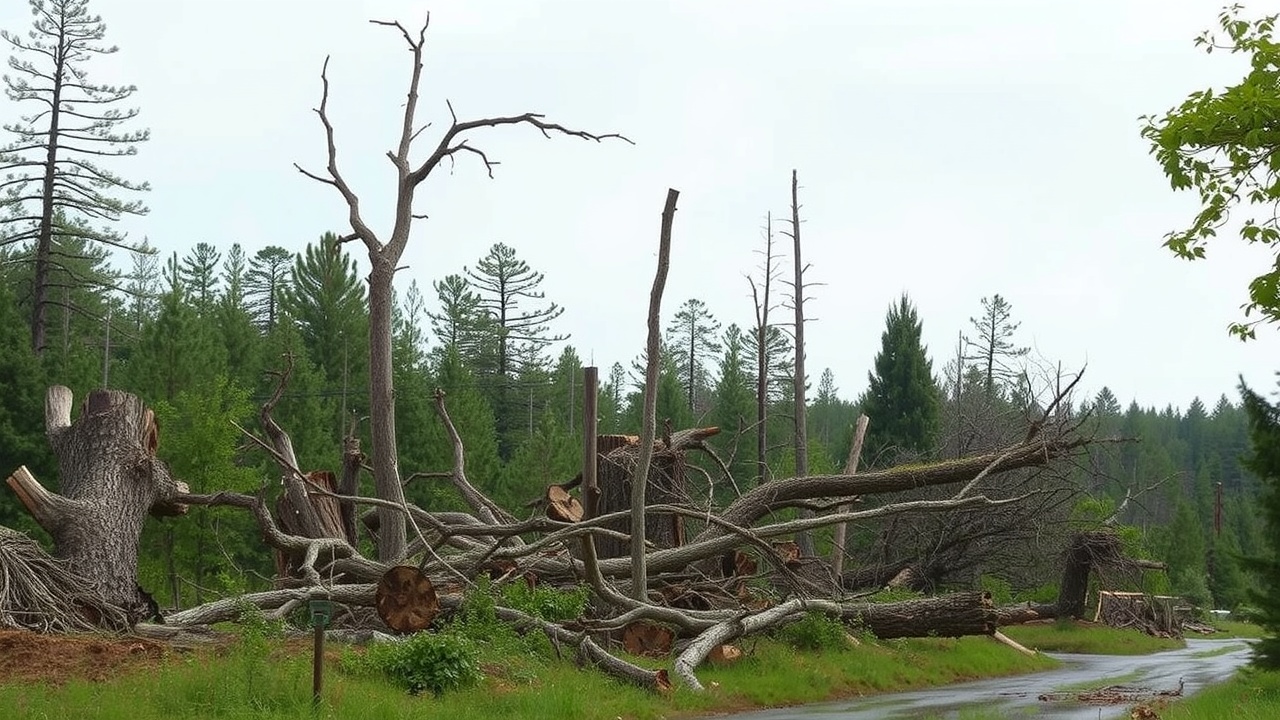
After a storm, it’s essential to assess your trees for damage quickly. Start with a storm assessment to identify broken branches, leaning trunks, or uprooted trees. Look for any signs of bark damage or exposed wood, as these can lead to further issues.
After a storm, promptly assess your trees for damage, focusing on broken branches and signs of bark injury.
Next, perform a damage evaluation. If you notice small branches that are broken but still attached, you can prune them back to promote healthy growth. For larger branches, use a saw to carefully remove them, ensuring you make clean cuts to prevent injury to the tree.
If a tree leans but remains stable, consider guying it to help it regain its position.
Always prioritize the health of your trees while keeping aesthetics in mind. By acting swiftly and methodically, you can minimize long-term damage and keep your landscape looking its best after a storm.
Safety First: Protecting Yourself During Tree Care
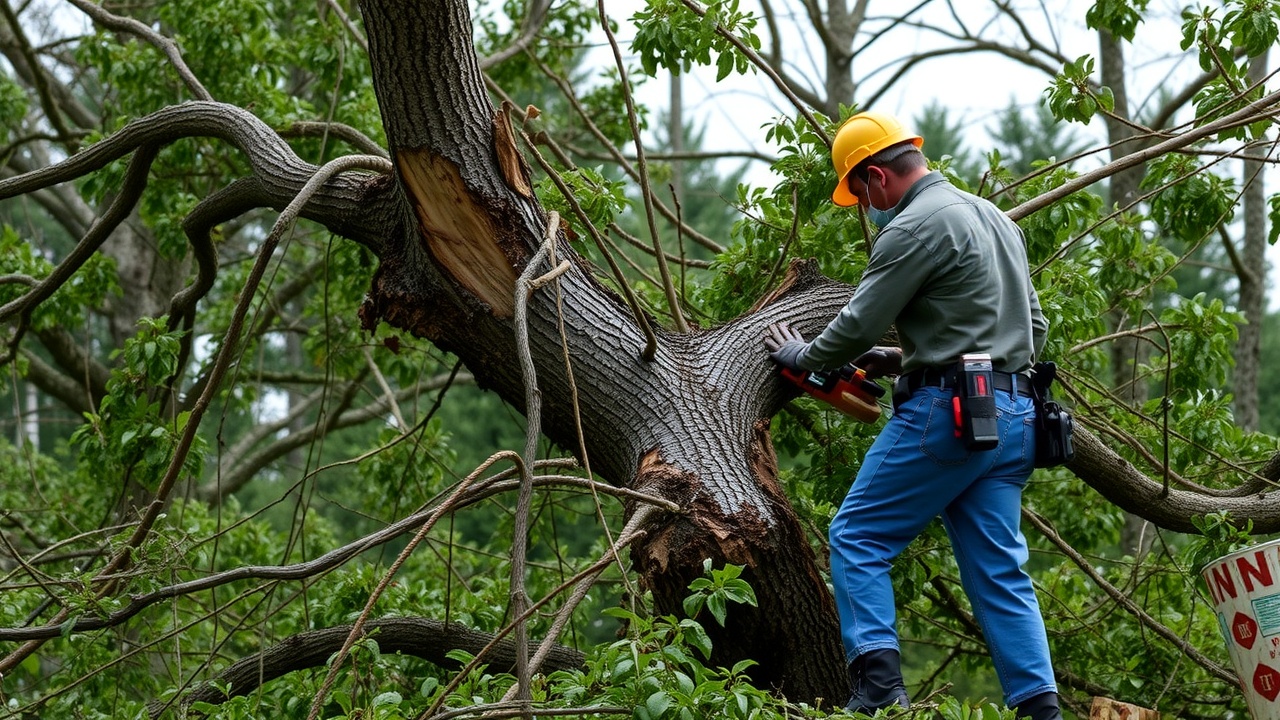
While evaluating storm-damaged trees, it’s essential to prioritize your safety. Start with a thorough risk assessment to identify potential hazards like unstable branches or downed power lines.
Before you get to work, don your personal protective equipment—this means sturdy gloves, safety goggles, and a hard hat. These items will shield you from falling debris and sharp tools.
Always work with a buddy when possible. Two sets of eyes can spot dangers you might miss. If you’re using any power tools, make sure you’re familiar with their operation and adhere to safety guidelines.
Keep your work area clear of obstacles to prevent tripping or falling.
Lastly, stay alert and take breaks to avoid fatigue. Your safety is paramount, so don’t rush the process. Taking the time to protect yourself guarantees you’ll be ready to tackle the task at hand effectively and safely.
Essential Tools for Post-Storm Tree Repair
Having the right tools at your disposal can make a significant difference when repairing storm-damaged trees. For effective tree trimming, you’ll need a quality handsaw or pruning shears to safely remove broken branches.
A chainsaw can be beneficial for larger limbs, but make certain you’re comfortable using it. Don’t forget about safety gear, like gloves and goggles, to protect yourself during the process.
You’ll also want a sturdy ladder if you need to reach higher branches.
After you’ve finished, proper tool maintenance is key. Clean your tools after each use to prevent rust and guarantee they work efficiently during your next project.
Sharpen blades regularly to make your trimming tasks easier and more effective.
With these essential tools in hand and a bit of practice, you’ll be well-equipped to handle post-storm tree repairs.
Post-Storm Tree Care: Fixing Broken Limbs
When a storm leaves your trees with broken limbs, it’s crucial to act quickly to prevent further damage. Start with tree limb removal; this helps to reduce the risk of disease and decay. Look for any branches that are cracked or hanging precariously.
If a limb is partially attached, perform emergency pruning to remove it safely. Use sharp pruning shears or a saw, making clean cuts to minimize injury to the tree.
Always cut at an angle, just above a bud or branch junction, to encourage healthy growth. For larger limbs, consider using a rope to lower them gently to the ground, avoiding additional stress on the tree.
After you’ve done the initial pruning, inspect the tree for any other issues. Regular monitoring will help your tree recover and thrive after the storm.
Fixing Leaning Trees: Quick Tips
When a tree leans after a storm, it’s essential to assess its stability first.
You’ll want to choose the best support method to help it regain strength, and timing your repairs can make all the difference.
Let’s explore these quick tips to get your tree back on track.
Assessing Tree Stability
As storms can leave trees leaning dangerously, it’s essential to assess their stability quickly.
Start by checking the ground around the tree; if the soil’s too loose or the roots are exposed, that’s a sign of compromised root stability.
Examine the trunk for cracks or decay; these affect the tree’s resilience.
Look at the tree’s lean—if it’s more than 15 degrees, it might need immediate attention.
Gently push the tree near the base; if it sways considerably, it’s unstable.
Also, consider nearby structures—if the tree leans toward them, prioritize safety.
Document your findings, as this will help you decide on the next steps.
Choosing Support Methods
Sometimes, leaning trees need immediate support to prevent further damage. Choosing the right support types and stabilization techniques can make a big difference. Here’s a quick reference table to help you decide:
| Support Type | Best Use | Tool Needed |
| Guying | For moderate lean | Rope and stakes |
| Bracing | For severe lean | Wooden braces |
| Cabling | To stabilize branches | Steel cable |
Using these methods, you can effectively stabilize your tree. Make sure the support is tight but not too constricting; you want to encourage the tree to regain its upright position. Remember, the right support can prevent future issues and help your tree recover.
Timing Your Repairs
To effectively fix a leaning tree, timing is essential; addressing the issue promptly can greatly enhance recovery chances. Here are some key points to evaluate for ideal repair timing and seasonal considerations:
- Act Quickly: Aim to stabilize the tree within 24-48 hours after the storm to prevent further damage.
- Choose the Right Season: Spring or fall is best for repairs, as trees are less stressed during these times.
- Monitor Weather Conditions: Avoid repairs during heavy rain or wind, which can complicate your efforts.
- Assess the Damage: Before starting, evaluate how much the tree has shifted and determine the best support method.
Handling Dangerous Branches: DIY vs. Professional Help
When you spot dangerous branches after a storm, it’s essential to assess the damage carefully.
You’ll need the right tools for safe removal, but sometimes, calling in the pros is the smarter choice.
Knowing when to tackle it yourself and when to seek expert help can make all the difference in keeping your property safe.
Assessing Tree Damage Risks
Evaluating tree damage risks is essential, especially after a storm. You need to decide if you can handle the situation or if it’s best to call in a professional. Here are some key factors to take into account:
- Branch Stability: Check if any branches are cracked or hanging dangerously.
- Tree Species Considerations: Different species respond differently to storms; know how your trees typically fare.
- Surrounding Structures: Assess nearby buildings or power lines that could be impacted if a branch falls.
- Personal Safety: If you feel uncertain or unsafe, prioritize your safety over DIY fixes.
Implementing storm resilience strategies now can help your trees withstand future storms better.
Don’t hesitate to seek professional help when needed!
Tools for Safe Removal
While evaluating whether to tackle dangerous branches yourself or call a pro, having the right tools is essential for safe removal. Start with proper safety equipment like gloves, goggles, and a hard hat to protect yourself.
Familiarize yourself with effective removal techniques and suitable pruning methods to guarantee you’re cutting safely and efficiently. A sharp chainsaw or handsaw can make a big difference, but remember to maintain your tools for peak performance.
Additionally, have debris management supplies on hand, such as tarps or bins, to keep your workspace organized. Don’t forget emergency supplies, like a first-aid kit, in case of accidents.
With the right tools and preparation, you can tackle the task more confidently.
When to Call Experts
Knowing your limits is key when deciding between handling dangerous branches yourself or calling in professionals. Here are some situations where you should consider expert help:
- Large Trees: If the tree is taller than your house, leave it to the pros for safe removal.
- Power Lines Nearby: If branches are close to power lines, an expert assessment is essential to avoid hazards.
- Heavy Damage: When a tree is leaning or shows significant damage, it may be unstable and dangerous.
- Limited Experience: If you’re unsure about your skills or tools, calling in experts can prevent accidents.
Pruning Techniques for Healthier Trees After Storms
After a storm, addressing tree damage through effective pruning is essential for maintaining their health and longevity. Pruning methods can help remove broken branches, improve air circulation, and promote new growth. Here’s a quick guide to help you:
| Pruning Method | When to Use | Benefits |
| Thinning | After heavy storms | Reduces weight on branches |
| Crown Raising | For low-hanging limbs | Increases light penetration |
| Deadwooding | Post-storm evaluation | Enhances tree health and safety |
Start by evaluating the tree’s condition. Remove any damaged or diseased branches using clean tools. Make cuts at a slight angle to encourage healing. Finally, remember that proper pruning not only aids in recovery but also bolsters tree health for the future.
Spotting Tree Diseases After a Storm
After a storm, it’s essential to inspect your trees for signs of disease.
Look for common symptoms like discolored leaves and spots on the bark, as well as any unusual fungal growth.
Catching these issues early can help you maintain your trees’ health and prevent further damage.
Common Disease Symptoms
As storms can leave trees vulnerable to various diseases, it’s crucial to identify symptoms early on. Quick symptom identification will help you in disease prevention and keep your trees healthy.
Here are some common signs to look for:
- Discolored leaves: Yellowing or browning can indicate stress or disease.
- Wilting: If the leaves droop despite adequate water, it might signal root issues.
- Fungal growth: Mushrooms or mold on the trunk or soil can suggest decay.
- Bark abnormalities: Cracks, holes, or oozing sap can point to serious problems.
Inspecting Tree Bark
How can you tell if your tree’s bark has suffered after a storm? Start with a bark texture analysis. Look for bark damage indicators like cracks, peeling, or discoloration. These signs can reveal underlying issues that need attention.
| Bark Damage Indicator | Description |
| Cracks | Vertical or horizontal splits |
| Peeling | Layers of bark coming off |
| Discoloration | Unusual colors or dark spots |
| Soft Spots | Areas that feel mushy or spongy |
| Insect Holes | Tiny holes from wood-boring pests |
Fungal Growth Indicators
Inspecting your tree’s bark can reveal initial storm damage, but keeping an eye out for fungal growth is equally important.
Fungal infections can lead to tree decay, so spotting them early can save your tree. Here are some common indicators to watch for:
- Mushrooms or Fungi: Look for any growths at the base or on the trunk.
- Discoloration: Check for unusual colors on the bark, especially dark spots or patches.
- Soft Spots: Feel for areas that seem mushy or spongy, indicating internal decay.
- Bark Peeling: Notice if the bark is lifting or falling off, which can signal deeper issues.
Nurturing Your Trees: Mulching and Watering Tips
Trees thrive when you give them the right care, and mulching and watering play essential roles in their health. Start by adding a layer of mulch around your trees. This helps improve soil quality, enhances moisture retention, and provides root protection. Aim for a depth of about 2-4 inches, ensuring it’s not piled against the trunk.
When watering, focus on deep, infrequent sessions rather than shallow, frequent ones. This promotes strong root growth and better nutrient absorption. In dry seasons, make sure to increase your watering frequency to support tree health.
Consider adding organic fertilizers for a nutrient boost, especially during spring and fall.
Mulching also aids in pest management by creating a barrier against harmful insects. With consistent seasonal care, you’ll encourage growth promotion and help your trees thrive in the long run.
Assessing Tree Health After Storm Damage
After a storm passes, it’s essential to evaluate your trees for any signs of damage.
A thorough tree assessment can help you determine the storm impact and decide if your trees need immediate care.
Here’s what to look for:
- Broken Branches: Check for any limbs that are cracked or hanging precariously.
- Leaning Trunk: Observe if the tree is leaning to one side, which may indicate root damage.
- Bark Damage: Look for deep cracks or missing bark that could expose the tree to disease.
- Foliage Condition: Assess the leaves; yellowing or wilting can signal stress or damage.
Preventing Future Storm Damage to Trees
While storms can be unpredictable, you can take proactive steps to minimize potential damage to your trees. Start by implementing tree resilience strategies, like selecting the right species for your area. Native trees often fare better in local conditions.
Regularly inspect your trees for signs of weakness, such as dead branches or disease, and prune them as needed. Consider using mulch around the base to retain moisture and improve soil health, which strengthens root systems.
Additionally, stake young trees to help them withstand strong winds, but be sure to remove the stakes after a year to allow natural growth.
Finally, stay informed about upcoming weather events and have storm preparedness tips ready, like securing patio furniture and smaller plants that could become projectiles.
When Is a Tree Beyond Repair?
Determining whether a tree is beyond repair can feel overwhelming, especially after a severe storm. To help with your damage assessment, consider these key factors that affect tree health:
- Bark Damage: If more than 50% of the bark is stripped away, the tree’s chances of survival diminish greatly.
- Foliage Loss: If the tree has lost most of its leaves and shows no signs of new growth, it may be time to say goodbye.
- Structural Integrity: Check for cracks or breaks in the trunk. If the trunk is more than half broken, it’s likely beyond saving.
- Root Damage: If roots are exposed or severely damaged, the tree won’t be able to stabilize itself.
Frequently Asked Questions
How Long Does It Take for Trees to Recover After Storm Damage?
Trees typically take several months to a few years to recover after storm damage, depending on the extent of the injury. Monitoring your tree’s health during this recovery timeline is vital for successful regrowth.
Can I Use Household Tools for Tree Repairs?
Yes, you can use household tools for tree repairs, like pruners and saws. Just make certain you’re practicing tool safety; always wear gloves and goggles when tree trimming to protect yourself from injuries while working.
What Signs Indicate a Tree Needs Professional Help?
If you notice signs like cracked trunks, dead branches, or unstable roots, it’s time for a professional assessment. They’ll conduct damage assessments, check tree health, and recommend emergency pruning for better storm resilience.
Are Certain Tree Species More Resilient to Storms?
Yes, some tree species, like oaks and pines, are more resilient to storms. Their strong tree root systems help anchor them, making it less likely they’ll uproot or sustain severe damage during heavy winds.
How Can I Prevent Pests After Storm Damage?
To prevent pests after storm damage, focus on tree maintenance. Regularly inspect for injuries, apply pest control treatments, and prune damaged branches. Keeping trees healthy helps deter pests and promotes stronger growth in the long run.
Final Thoughts
Storm damage doesn’t have to feel overwhelming. By carefully assessing your trees, making clean and strategic cuts, supporting stable leaning trees, and maintaining proper watering and mulching, you can encourage healthy recovery and reduce long-term issues. Just as important is recognizing when a situation goes beyond a safe DIY fix—large damaged limbs, compromised trunks, or trees near homes and power lines should always be handled by professionals.
When safety or uncertainty is a concern, Prime Tree Care, Inc is ready to help with reliable emergency tree service and expert support, including detailed guidance on emergency tree services in Blue Island. For ongoing tree health and property protection, explore our complete range of tree services, such as tree pruning, tree removal, and stump removal.
If you’re ready to restore safety and peace of mind to your property, contact Prime Tree Care, Inc today through our Contact Us page to schedule an inspection or request a quote.