
After a storm, stay safe first—check trees from a distance and avoid any near power lines. Look for new leans, uprooted roots, cracked trunks, and broken or hanging branches. Mark off dangerous areas and keep kids and pets away. Document damage with photos and notes for insurance. Handle only small debris yourself and call a certified, insured arborist for serious hazards or removal. With a few smart steps, you can protect people, property, and your trees more effectively.
Key Takeaways
- Stay safe first: assess damage from indoors, avoid downed power lines, and keep children and pets away from damaged trees.
- Look for emergency removal signs: new leans, uprooted roots, hanging limbs, cracked trunks, and heaving soil around the base.
- Document everything for insurance with photos, videos, dates, invoices, and notes describing hazards and structural damage.
- Call an ISA Certified Arborist for severe instability, large broken limbs, or trees near structures and utilities.
- Plan long-term tree health by pruning hazardous branches, improving soil and roots, and scheduling periodic professional inspections.
Immediate Storm Safety and Emergency Tree Checks
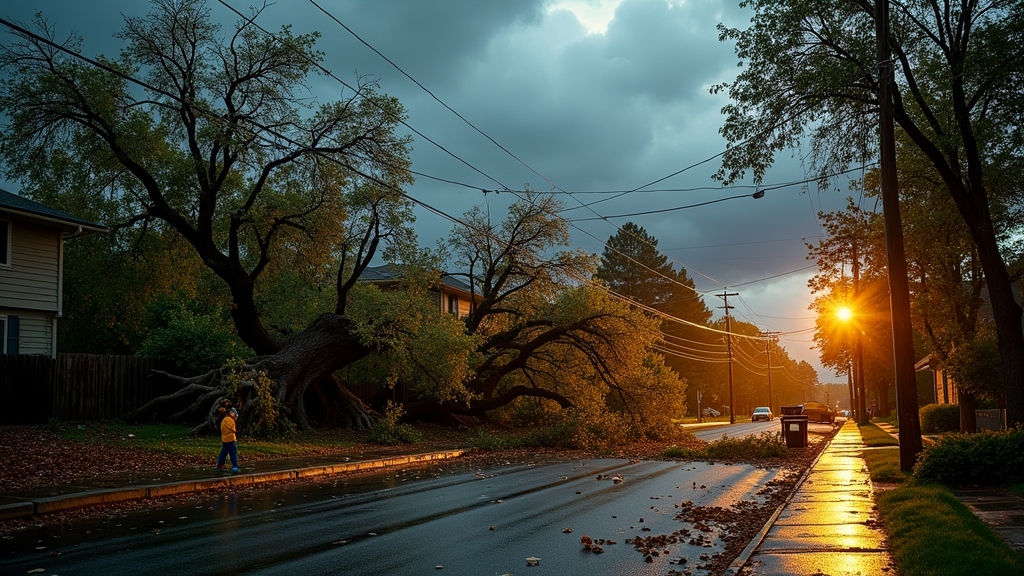
When a severe storm passes, your first priority is staying safe while you quickly assess any immediate tree hazards around your home.
Before you step outside, look out windows to note downed branches, leaning trunks, or debris on power lines. If you see wires involved, you stay inside and call emergency services and your utility company.
Good storm preparedness includes planning this first walk-through in advance. You know where large trees stand, which rooms give clear views, and which exits stay safest if branches fall.
Plan your first post-storm walk-through now: map big trees, clear window views, and the safest exits
When it’s safe to go out, you move slowly, keep children and pets indoors, and avoid standing under damaged limbs.
Your initial tree assessment isn’t about fixing anything; it’s about understanding the situation. You identify general problem areas, take photos, and mark locations to share with a certified arborist, your insurer, or local authorities for follow-up help as they plan safe recovery efforts.
Quick Ways to Spot Serious Tree Hazards
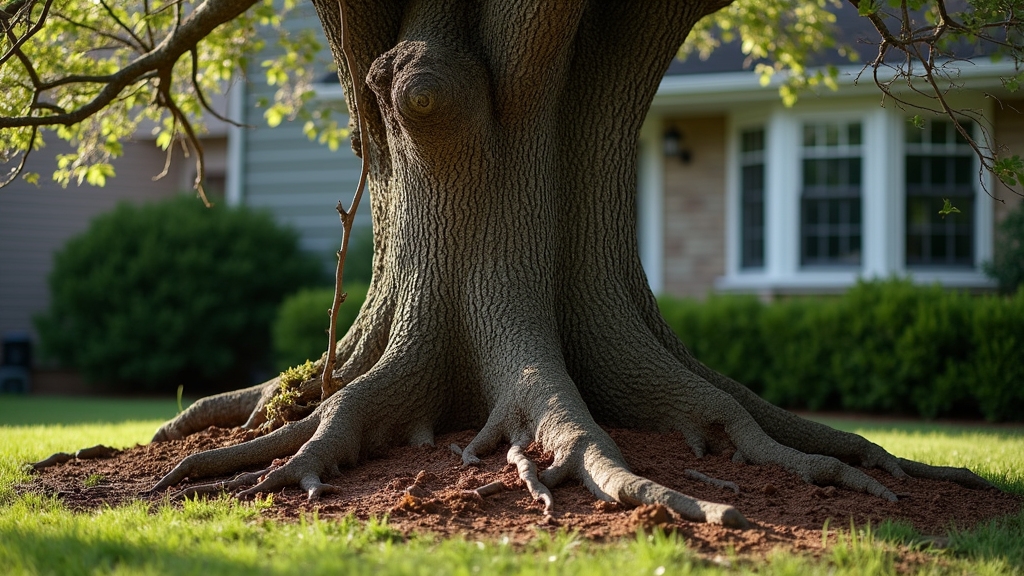
How can you tell, at a glance, if a storm‑damaged tree is truly dangerous? Start with quick hazard assessment from the ground. Look for major changes in lean or fresh soil heaving around the base. Those signs often mean the whole tree is shifting.
Next, scan the crown. Hanging or cracked limbs, especially above driveways or roofs, can drop without warning. Use your understanding of tree anatomy: trunk, main scaffold branches, and root flare should look continuous, not buckled or split.
| What you check | Red flag sign | Why it’s serious |
| Overall lean | New, sharp tilt | Indicates root or soil failure |
| Trunk | Fresh cracks, seams | Suggests internal structural damage |
| Crown | Broken, dangling limbs | High risk of falling debris |
When in doubt, keep clear of it completely.
When You Need Emergency Tree Removal
When a tree becomes truly dangerous, you need to recognize the warning signs fast and decide if emergency removal’s necessary.
You’ll look for clear hazards, weigh immediate safety concerns for people and property, and act before the situation escalates.
You’ll also want to understand how to handle insurance and documentation so you’re protected financially after the work’s done.
Signs Tree Is Hazardous
Ever wondered if that tree in your yard is actually dangerous? After a storm, you should look for warning signs instead of assuming it’s fine. Hazardous branches, cracked or hanging, can fall without notice. Root instability, often hidden, may show as heaving soil, a leaning trunk, or newly raised roots. Deep bark splits, cavities, and dead sections high in the canopy also signal trouble.
| Sign You Notice | What It May Mean | Why It’s Risky |
| New lean | Failing roots | Sudden collapse |
| Uprooted soil | Root instability | Loss of support |
| Broken limbs | Hazardous branches | Falling debris |
| Dead top | Internal decay | Structural weakness |
| Bark cracks | Trunk failure | Unpredictable breakage |
Immediate Safety Concerns
Although many tree issues can wait for a scheduled visit, some situations demand emergency removal to protect people and property.
After a storm, your first priority is safety, not saving the tree. If a trunk is split, roots are heaving, or the tree is leaning suddenly toward a structure, treat it as an emergency.
Keep everyone, including pets, far from downed or hanging branches, and never touch limbs on or near power lines; call utilities and emergency responders instead.
Good emergency preparedness includes routine tree inspections before storms, so you already know which trees pose higher risks.
When damage occurs, contact a qualified arborist immediately to assess structural stability and decide whether urgent removal is necessary.
Don’t reenter damaged areas until experts declare safe.
Insurance And Documentation
Staying clear of hazards and calling professionals is only part of emergency tree care; you also need to protect yourself financially. Start documentation early. Take wide and close photos of the fallen tree, structural damage, and temporary repairs. Write down dates, times, and conversations with your arborist. This organized damage assessment supports faster insurance claims and reduces disputes with adjusters. Contact your insurer before authorizing non‑emergency work, and ask what they require, then use this simple list.
| Step | What to record |
| Before calling | Overall scene, visible hazards |
| After tree work | Stump, remaining limbs, cleanup |
| For structures | Roof, siding, fences, utilities |
| For people | Injuries, medical visits, missed work |
Keep copies of every invoice, email, and report so you can prove necessity, cost, and timing later.
DIY Storm Cleanup vs Hiring a Pro
When a storm hits, you’ve got to decide if you’ll handle the cleanup yourself or call in a pro.
You’ll need to weigh safety risks and liability, as well as the cost, time, and tools required to do the job right.
In some cases, especially with large or unstable trees, professionals aren’t just helpful—they’re essential.
Safety Risks And Liability
Even if the damage looks minor, storm cleanup around trees exposes you to serious safety risks and potential liability that most homeowners don’t fully see.
When you cut or move damaged limbs yourself, you can’t always judge how much weight they’re holding or how they’ll shift. Hidden tension can cause branches to snap back, knock down ladders, or pull you toward power lines.
Professional arborists perform formal safety assessments, spotting cracks, decay, and overhead hazards you’d likely miss. They also carry training, insurance, and licenses that protect you from liability issues if something goes wrong or a neighbor’s property is affected.
When you hire a pro, you shift both the physical danger and legal exposure off your shoulders during cleanup, inspection, and debris handling.
Cost, Time, And Tools
Beyond safety and liability, storm cleanup decisions often come down to what you’ll spend in money, time, and gear. A quick cost analysis helps you see whether DIY truly saves anything.
Factor in chainsaw purchase or rental, fuel, safety equipment, and disposal fees. Then compare that total with a written estimate from a reputable tree service and the value of your own time.
Your tool selection also matters. Basic hand saws and loppers work for light debris, but larger limbs demand heavier equipment and more skill.
- Estimate total project hours, including cleanup and hauling.
- List every tool you’d need to buy, rent, or maintain.
- Weigh those costs against your budget and schedule.
Document everything so your decision stays practical and deliberate.
When Professionals Are Essential
Although it’s tempting to tackle every fallen limb yourself, some storm damage crosses a line where a professional isn’t optional—it’s critical. You should call a tree service immediately if a tree is leaning, uprooted, or touching a house, fence, or vehicle.
Branches tangled in power lines always require utility crews and certified arborists; never approach them. During a storm assessment, look for cracked trunks, hanging branches, or soil heaving around roots. Those signs mean internal weakness you can’t safely judge from the ground.
If you lack protective gear, insurance, or experience with chainsaws, hire a pro. They’ll stabilize hazardous trees, coordinate debris removal, and help document damage for insurance while keeping you, your family, and property safe. That choice prevents accidents and costly mistakes.
Choosing an Emergency Tree Service You Can Trust
When a storm leaves a damaged tree hanging over your home, you need to know which emergency tree service you can trust—fast.
Start with emergency vetting, even if you feel rushed. Look for an ISA Certified Arborist, proof of liability insurance, and workers’ compensation; don’t accept vague answers.
Turn to trusted referrals from neighbors, local online groups, and your insurance agent. Ask what work was done, how quickly crews arrived, and whether cleanup matched expectations.
Compare those recommendations with independent reviews that mention storm response, safety practices, and communication.
To filter choices under pressure, focus on three essentials:
- Confirm written estimates, scope of work, and who’s responsible for permits.
- Ask how they’ll protect your roof, utilities, and remaining trees during removal.
- Require a clear timeline, after-hours contact, and what happens if conditions worsen mid-job.
These steps keep you safer and your property in reliable hands.
Documenting Tree Storm Damage for Insurance
Before you call your insurance company, take a few minutes to document the storm damage to your trees and property in a way that supports your claim. Start with a careful tree damage assessment.
Walk around each affected tree and note broken branches, split trunks, uprooting, and anything touching structures, fences, or vehicles. Write down dates, times, and what the storm was like.
Carefully circle each damaged tree, noting breaks, splits, uprooting, and anything contacting buildings, fences, or vehicles
Take clear photos and short videos from multiple angles. Include close‑ups of damage and wide shots showing how trees relate to your home or other structures. Photograph any visible safety hazards and blocked access.
Keep receipts for emergency services, tarps, or temporary cleanup. Organize everything into a simple folder—digital or paper—so you can share it easily during the insurance claim process.
When you speak with adjusters, refer to your notes and images to explain what happened and why professional help is necessary in your situation.
Short‑Term Tree Care to Prevent Further Damage
Right after a storm passes, smart short‑term tree care helps stop minor damage from turning into major loss.
Begin with a quick tree assessment from a safe distance. Look for leaning trunks, hanging branches, uprooted roots, or trees contacting power lines, and keep people and pets away from any hazard zones. This early risk management step helps you decide what needs immediate attention and what can safely wait.
Next, stabilize what you can without specialized tools or climbing. You might brace small tilts with stakes, gently straighten newly loosened saplings, or cordon off unstable areas with tape or cones.
Use this simple plan:
- Mark unsafe trees so no one walks near them.
- Protect exposed roots and soil with mulch or burlap to reduce further stress.
- Call qualified professionals promptly when trees threaten structures, utilities, or main walkways; don’t try to correct severe instability yourself alone.
How to Save Storm‑Damaged Trees With Pruning
Although storm damage can look overwhelming, careful pruning often turns a battered tree into a recoverable one instead of a lost cause.
Start by stepping back and identifying which branches truly threaten tree health: hanging, cracked, or twisted limbs must go first. Work from the tips back to a healthy lateral branch or the trunk, making clean cuts just outside the branch collar so the wound can seal.
Use pruning techniques that remove weight without stripping all foliage from one side; trees need leaves to rebuild energy. Avoid leaving stubs, topping the tree, or cutting into torn bark. If bark has peeled, trim loose flaps back to firmly attached tissue to reduce decay.
When major limbs are broken, don’t guess. Call a certified arborist to assess structural stability, especially around power lines, large splits, or leaning trunks. Skilled help prevents hazards and supports long-term recovery efforts.
Preventive Tree Care to Reduce Future Storm Damage
When you invest in preventive tree care long before storms roll in, you dramatically cut the odds of cracked trunks, broken limbs, and dangerous failures.
You’re not just protecting property; you’re building long-term tree resilience and real storm preparedness.
Start by looking up. Study how each tree is shaped, how branches attach, and how close they’re to your home, wires, and driveways.
Then work with a certified arborist to create a practical plan you can maintain.
- Structure first. Thin crowded crowns, remove weak crotches, and guide young trees so wind can pass through rather than push against them.
- Roots and soil. Mulch, correct compaction, and water deeply during drought so roots anchor firmly and resist blow‑over.
- Ongoing checkups. Schedule periodic inspections to catch decay, pests, and cracks early, when solutions are simpler, cheaper, and safer.
You’ll face fewer emergencies and more healthy, stable trees.
Frequently Asked Questions
Who Is Responsible When My Neighbor’s Damaged Tree Falls Onto My Property?
You’re responsible for damage on your property, but neighbor liability may apply if they ignored known hazards. You should document everything, contact both insurers, and file insurance claims while consulting a local attorney for guidance.
Will My City Require a Permit for Emergency Tree Work After a Storm?
Your city may require a permit, but emergency work often has relaxed rules. You should check local permit requirements, storm regulations, and your city’s website or hotline before cutting, removing, or heavily pruning damaged trees.
How Much Does Emergency Tree Service Typically Cost, and What Affects the Price?
You’ll typically pay $300–$2,500 for emergency tree service; average costs rise with tree size, risk, and urgency. Key price factors include location, equipment needs, crew size, debris hauling, stump removal, and after-hours response, fees too.
What Should I Do if Wildlife Is Living in a Storm-Damaged Tree?
If you find wildlife in a storm-damaged tree, pause work, keep distance, and call a certified arborist. Ask about humane tree relocation options and wildlife rehabilitation support. They’ll assess safety, protect animals, and guide steps.
Can I Keep Storm-Damaged Wood for Firewood, and Is It Safe to Use?
You can keep storm-damaged wood as firewood if you prioritize firewood safety. Season storm wood six months, store it dry, inspect for pests, avoid moldy or treated pieces, and burn it outdoors if you’re unsure.
Final Thoughts
When storms hit, you don’t have to feel helpless. By acting quickly, spotting hazards from a safe distance, and knowing when to call an emergency tree service, you protect your home, family, and landscape. Document damage carefully for insurance, handle only small, low-risk debris yourself, and leave any leaning trunks, uprooted roots, or limbs near power lines to trained professionals who can manage the risk safely and correctly.
If you’re in Blue Island or nearby Illinois communities, Prime Tree Care, Inc. is ready to help with prompt, professional response. Their team provides dedicated emergency tree service, 24/7 emergency tree care and removal in Illinois, and safe tree removal when a damaged tree can’t be saved. As local tree care experts in Blue Island, they can assess your trees after a storm, recommend what can be pruned and preserved, and outline preventive tree services to reduce future storm damage.
By pairing smart short-term care with long-term maintenance, you can often save storm-damaged trees and help the rest of your landscape stand stronger before the next severe weather event. For fast post-storm help or a preventative inspection, contact Prime Tree Care, Inc. today and get a clear, safe recovery plan for your property.