
If you want to boost your tree’s health by up to 75%, smart pruning is your best bet. This technique selectively trims branches to improve growth and resilience against pests. By removing dead or diseased limbs, you enhance air circulation and light penetration, promoting healthier foliage. Timing is key; prune in spring or after fall leaf drop for best results. Avoid common mistakes like over-pruning to guarantee your trees thrive. Discover more effective strategies to transform your landscape.
Key Takeaways
- Smart pruning enhances tree health by removing dead or diseased branches, preventing pathogen spread and promoting overall vitality.
- Optimal timing for pruning in spring boosts growth potential by encouraging new leaves and blossoms.
- Improved air circulation and sunlight penetration from pruning strengthen trees against pests and environmental stressors.
- Regular health assessments during pruning help identify and address problematic branches, supporting long-term tree resilience.
- Using proper tools ensures clean cuts, reducing stress on trees and enhancing recovery and growth efficiency.
What Is Smart Pruning and Why Does It Matter?
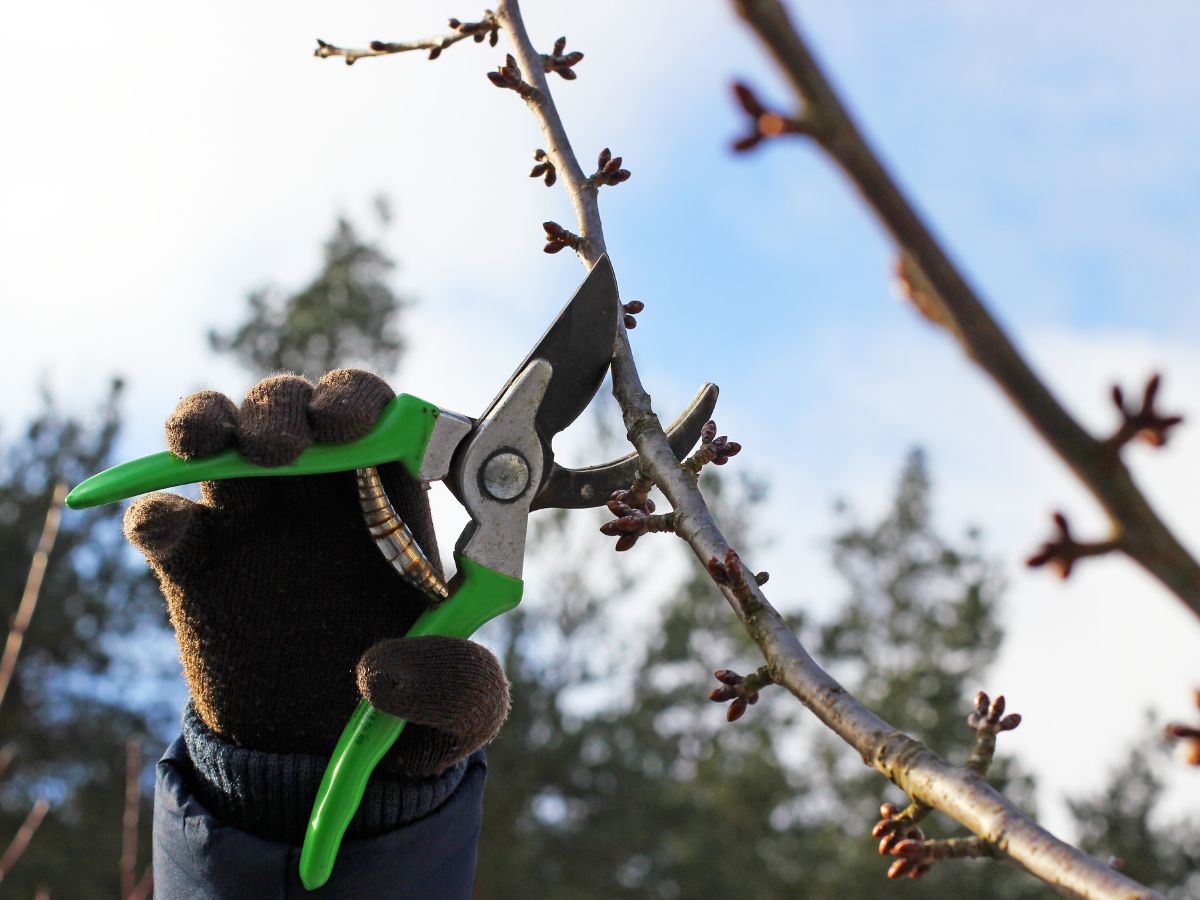
Smart pruning refers to the practice of selectively trimming trees to promote their health and growth. This technique is essential for effective tree management, allowing you to maintain the structural integrity of your trees while enhancing their growth patterns.
By applying specific pruning techniques, you can conduct a health assessment of each tree, identifying branches that might hinder overall well-being. Understanding seasonal changes is important, as timing your maintenance practices can greatly affect the tree’s response.
Additionally, smart pruning considers the environmental impact, ensuring that your actions support local ecosystems. By prioritizing these methods, you not only uplift your trees but also contribute to a healthier landscape overall.
Smart Pruning Benefits for Tree Health
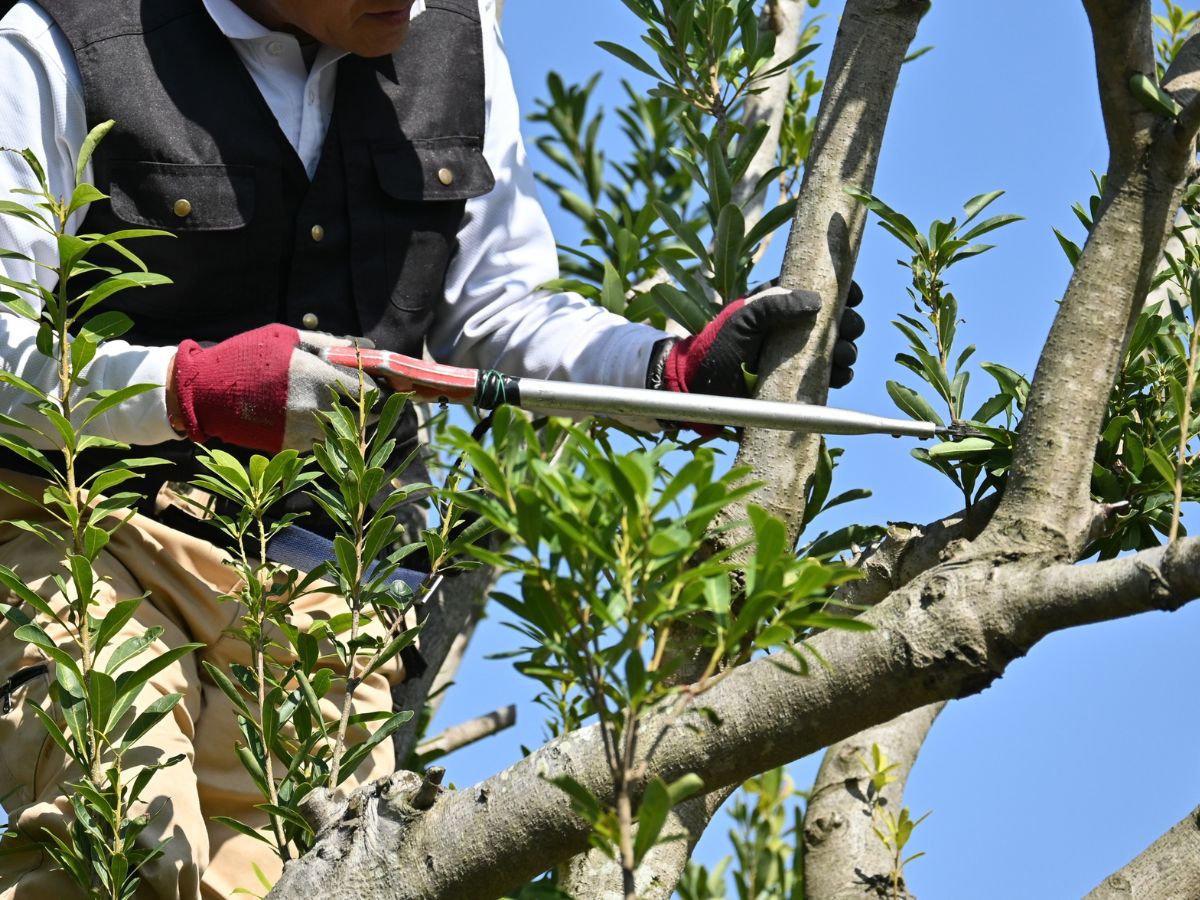
When you prioritize smart pruning, you not only enhance the aesthetic appeal of your trees but also greatly boost their health.
By employing effective pruning techniques, you improve air circulation and sunlight penetration, essential for strong tree vitality. Removing dead or diseased branches prevents the spread of pathogens, allowing your trees to thrive.
Additionally, strategic cuts encourage healthier growth patterns, enabling your trees to channel energy into new leaves and blossoms. This not only enhances their beauty but also strengthens their resilience against pests and environmental stressors.
Ultimately, smart pruning is a proactive approach that fosters long-lasting health, ensuring your trees remain vibrant and robust for years to come.
Invest in smart pruning today; your trees will thank you!
The Science of Tree Growth and Health
Understanding tree anatomy is essential for maintaining their health.
You’ll see how crucial processes like photosynthesis fuel growth and vitality.
Let’s explore how these elements work together to support strong, thriving trees.
Importance of Tree Anatomy
Tree anatomy plays an essential role in determining the overall health and growth of these magnificent organisms. Understanding tree structure helps you appreciate how different species thrive.
The root system anchors the tree and absorbs critical nutrients, while the bark function protects against pests and diseases. Leaf anatomy is important for capturing sunlight and facilitating growth patterns.
The vascular system, including xylem and phloem, enables efficient nutrient transport throughout the tree. Each component works in harmony, ensuring the tree remains robust and resilient.
Role of Photosynthesis
Photosynthesis is the lifeblood of trees, driving their growth and overall health. This process occurs mainly in the leaves, where chlorophyll captures sunlight, converting it into energy. The efficiency of photosynthesis directly impacts how well a tree thrives. When trees have ample sunlight and nutrients, their photosynthesis efficiency increases, leading to robust growth.
Healthy leaves, rich in chlorophyll, are crucial for maximizing this process. If your trees aren’t getting enough light or if they’re overcrowded, their ability to photosynthesize diminishes, stunting their growth and vitality.
Smart pruning can enhance light access, promoting better leaf health and boosting photosynthesis efficiency. By understanding this role, you can guarantee your trees remain strong and resilient.
Must-Have Tools for Smart Pruning Techniques
Pruning tools are essential for maintaining the health and beauty of your trees. Using the right equipment not only makes the task easier but also guarantees your trees thrive.
Pruning tools are vital for your trees’ health and beauty, ensuring they thrive with ease and precision.
Here are four must-have tools for smart pruning techniques:
- Pruning Shears: Perfect for small branches and precise cuts.
- Loppers: Ideal for thicker branches that need a bit more leverage.
- Pruning Saws: Great for larger limbs, guaranteeing clean cuts.
- Safety Goggles: Protect your eyes from debris while you work.
Don’t forget to wear garden gloves to prevent blisters and use disinfectant spray to clean your tools.
A measuring tape can help you assess growth, while tree stakes and mulch application can support your trees’ overall health.
Happy pruning!
When to Prune Your Trees for Best Results?
Timing is everything when it comes to pruning your trees.
You’ll want to take into account both the season and the age of your trees to achieve the best results.
Optimal Seasonal Timing
Understanding when to prune your trees can greatly impact their health and growth. Choosing the right timing guarantees your trees thrive. Here are some key points to take into account:
- Spring Timing: Prune before new growth begins, allowing trees to focus energy on healthy buds.
- Fall Strategies: Wait until after leaf drop to assess structure and remove dead or damaged branches.
- Avoid Winter Pruning: Cold weather can stress trees and increase susceptibility to disease.
- Monitor Weather: Confirm you prune during dry periods to minimize stress and promote healing.
Tree Age Considerations
While every tree has its own unique growth patterns, age plays an essential role in determining the best pruning practices. For young trees, focus on shaping and encouraging healthy root development. Use gentle pruning techniques to promote strong growth stages.
As trees mature, you’ll want to adapt your approach. Pruning during specific seasons can enhance their health, allowing for better recovery and growth. Look for health indicators, like new shoots or leaf density, to guide your timing.
Avoiding Common Mistakes in Tree Pruning
When it comes to tree pruning, avoiding common mistakes can make all the difference in maintaining your tree’s health.
Here are four common pruning errors to watch out for:
- Pruning at the Wrong Time: Improper pruning timing can stress your tree, especially during its active growth period.
- Over-pruning: Removing too much foliage can leave your tree vulnerable to pests and diseases.
- Neglecting Clean Tools: Dirty tools can spread infections, harming your tree’s health.
- Ignoring Tree Structure: Failing to take into account the natural shape can lead to weak growth and instability.
Transform Your Landscape With Smart Pruning Strategies
Proper pruning techniques not only prevent common mistakes but also release the full potential of your landscape. By implementing smart pruning strategies, you can enhance landscape aesthetics and promote healthy growth.
Start by identifying which branches to trim, focusing on those that obstruct views or crowd other plants. Use clean, sharp tools to guarantee precise cuts and minimize stress on your trees.
Consider the time of year; certain species thrive with seasonal pruning. Additionally, maintaining a balanced shape improves visual appeal.
Frequently Asked Questions
Can Smart Pruning Be Applied to All Tree Species?
Smart pruning can be applied to many tree species, but species adaptability varies. You’ll need to research specific pruning techniques suitable for each type to guarantee ideal health and growth.
How Does Weather Affect Smart Pruning Effectiveness?
Weather patterns and seasonal changes impact smart pruning effectiveness. You’ll want to prune during ideal conditions—mild temperatures and dry weather guarantee healthier cuts, promoting better growth and minimizing stress on your trees.
What Signs Indicate a Tree Needs Pruning?
You’ll notice signs like dead branches, crossing limbs, or excessive growth when a tree needs pruning. Using proper pruning techniques promotes healthy tree growth, ensuring your tree thrives and maintains its shape effectively.
Is There a Specific Time of Year for Smart Pruning?
Yes, timing matters! For smart pruning, focus on late winter or early spring. This seasonal timing encourages healthy growth. Use proper pruning techniques to guarantee your trees thrive, enhancing their overall health and appearance.
How Often Should Trees Be Pruned for Optimal Health?
You should prune trees annually for ideal health, focusing on tree growth and applying proper pruning techniques. This helps maintain structure, encourages new growth, and removes any dead or diseased branches effectively.
Final Thoughts
Smart pruning is one of the most effective ways we can support stronger, healthier trees and improve the overall appearance of your property. By removing dead, damaged, or overcrowded branches at the right time and with the right techniques, we help trees grow more efficiently, resist stress, and stay beautiful throughout the year.
At Prime Tree Care, we provide professional tree pruning and tree trimming services designed to protect tree health, improve structure, and reduce the risk of future problems. If a tree is already beyond saving or has become a safety concern, we also offer trusted tree removal solutions backed by experienced arborists.
If your trees are overgrown, stressed, or showing signs of damage, now is the time to act. Contact us today to schedule a professional assessment and let us help you keep your trees healthy, safe, and thriving.