
To identify and fix root rot, start by checking for yellowing leaves and a foul odor from the soil. Gently inspect the roots; mushy, dark ones signal trouble. If you spot rot, remove the plant, trim affected roots, and repot with fresh, well-draining soil. Adjust your watering habits and make sure pots have drainage holes. Keep an eye on your plants for signs of stress. Stay tuned to uncover more tips on nurturing healthy roots and preventing root rot.
Key Takeaways
- Look for yellowing leaves and wilting signs to identify poor plant health indicative of root rot.
- Inspect roots by gently removing the plant; healthy roots should be firm and white.
- Trim away any black, mushy roots and rinse the remaining healthy roots before replanting.
- Use well-draining soil and ensure pots have drainage holes to prevent future root rot.
- Regularly check soil moisture and avoid overwatering to maintain healthy roots.
Identifying Root Rot: Signs and Symptoms to Watch For
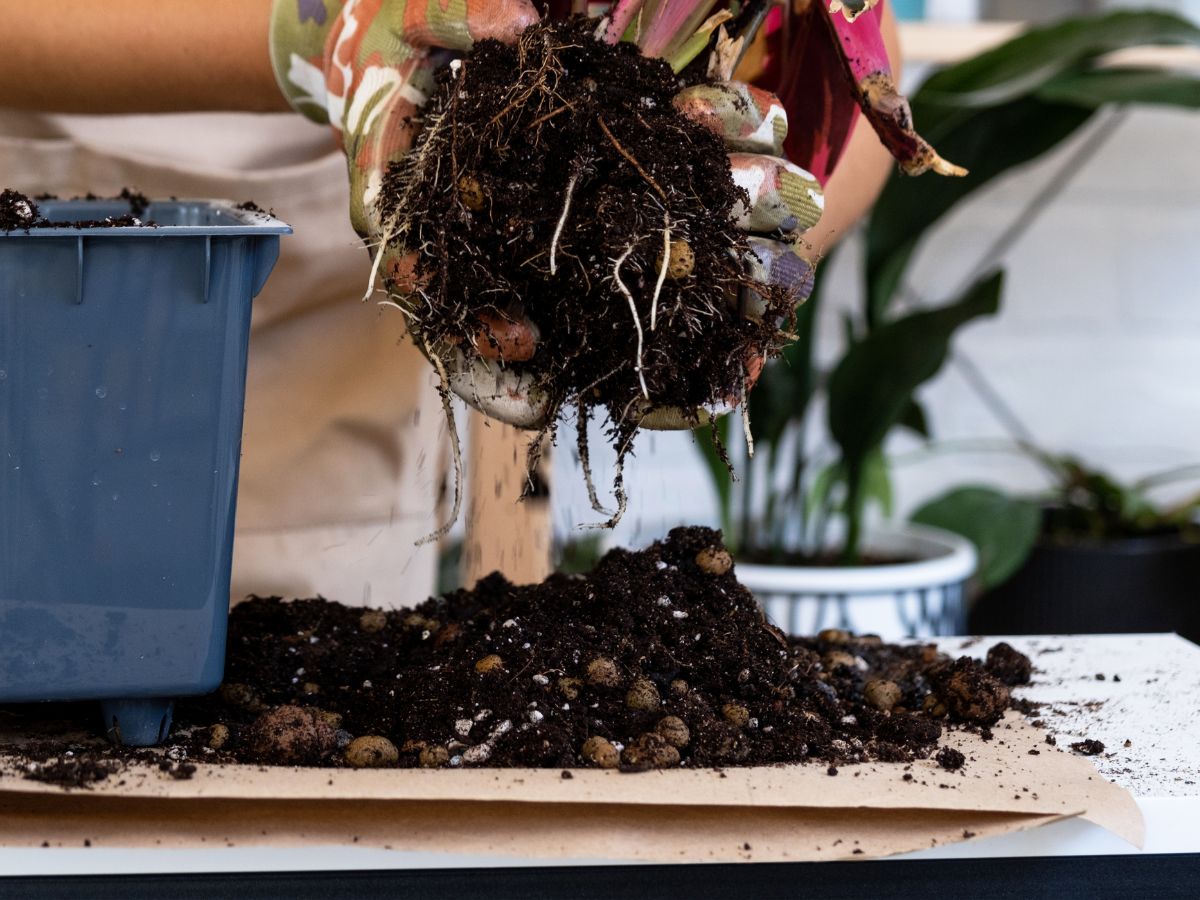
When you notice your plant isn’t thriving despite your care, it might be suffering from root rot. The first signs to watch for include yellowing leaves and a general wilting appearance. These root symptoms often indicate that the roots are struggling to absorb water and nutrients, leading to poor plant health.
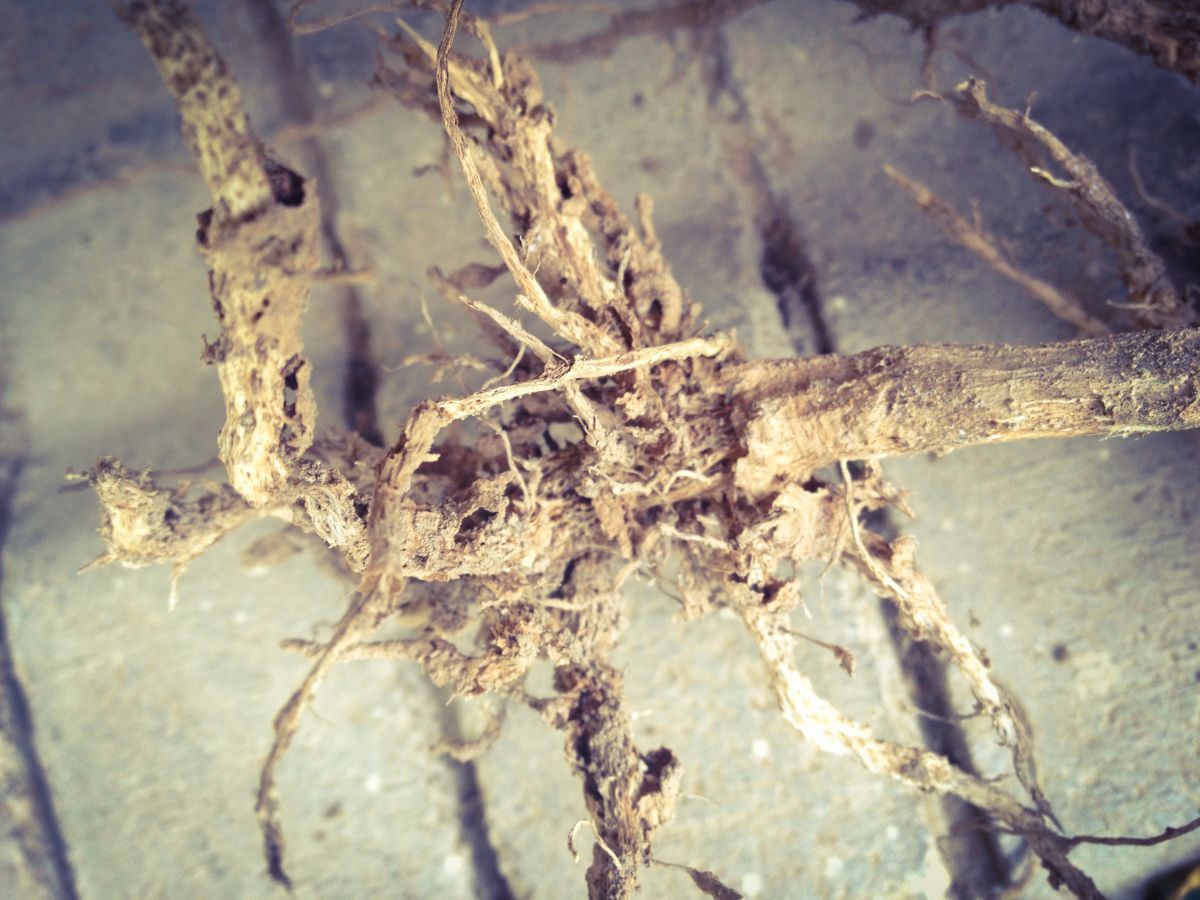
You might also notice a foul odor coming from the soil, which can signal decaying roots. If you dig a little deeper, you may find mushy, darkened roots instead of firm, white ones. This texture change is a clear indication that something’s gone wrong beneath the surface.
Additionally, if your plant’s growth seems stunted or it drops leaves, these could be further warning signs of root rot. Paying attention to these symptoms early can help you take action and potentially save your plant from further decline.
Root Rot Causes: What You Need to Know
Understanding root rot starts with knowing its causes.
If you’re overwatering or using soil that doesn’t drain well, you’re setting your plants up for trouble.
Let’s explore how these factors impact your plants’ health and what you can do about them.
Overwatering Consequences Explained
Overwatering isn’t just a minor mistake; it can lead to serious issues like root rot if you’re not careful.
When you give your plants too much water, you might notice overwatering symptoms such as yellowing leaves, wilting, or even a foul odor from the soil. This excess moisture creates an environment where harmful pathogens thrive, which can quickly damage the root system.
Effective moisture management is vital to keeping your plants healthy. Confirm your pots have proper drainage and only water when the top inch of soil feels dry.
Poor Drainage Solutions
Excess moisture isn’t the only factor that leads to root rot; poor drainage can greatly contribute as well. You must guarantee that your plants have adequate drainage to thrive.
Start with container selection; choose pots with drainage holes to prevent water buildup. If your containers lack holes, consider repotting your plants into ones that facilitate proper drainage.
Additionally, pay attention to the drainage materials you use. Lightweight materials like perlite or gravel can promote airflow and moisture distribution in the soil.
Mixing these materials into your potting mix will help excess water escape, reducing the risk of root rot. By addressing container selection and choosing the right drainage materials, you can create a healthier environment for your plants.
Soil Quality Impact
While many people focus on watering habits, the quality of your soil plays an essential role in preventing root rot. Understanding soil composition is key; it should contain a mix of organic matter, sand, and clay to guarantee proper drainage.
If your soil is too compact or lacks aeration, it can lead to waterlogged conditions, promoting root rot.
Additionally, maintaining a good nutrient balance is vital. Nutrient deficiencies can weaken your plants, making them more susceptible to diseases, including root rot.
Regularly testing your soil can help you identify imbalances and adjust accordingly. By paying attention to both soil composition and nutrient levels, you’ll create a healthier environment for your plants, greatly reducing the risk of root rot.
How to Check Your Plant’s Roots for Health?
Checking your plant’s roots for health is crucial, and doing it regularly can save your greenery from decline. Start by gently removing the plant from its pot, being careful not to damage the roots.
Inspect the roots closely during your root inspection. Healthy roots should be firm and white or light-colored. If you see brown, mushy, or slimy roots, that’s a sign of trouble.
Next, check for any foul odors, as this can indicate rot. If your plant’s roots are tangled or circling, it might need repotting to encourage better root health.
Don’t forget to examine the soil as well; overly compacted or soggy soil can contribute to root problems.
Step-by-Step Guide to Treating Root Rot
After identifying unhealthy roots, it’s time to take action against root rot. Start by gently removing your plant from its pot, being careful not to damage the remaining healthy roots.
Rinse the roots under lukewarm water to eliminate soil and any rotting material. Next, trim away the rotted sections using sterilized scissors—this promotes better root maintenance.
Once the roots are clean, allow them to dry for a few hours. Prepare a fresh potting mix that provides good drainage, as this will aid in plant recovery.
Replant your plant in the new mix, guaranteeing the roots are spread out evenly. Water lightly to avoid saturating the soil.
Going forward, monitor your watering habits and guarantee proper drainage to prevent future issues. With these steps, you’ll give your plant the best chance to bounce back from root rot.
How to Prevent Future Root Rot?
To prevent future root rot, you need to focus on proper watering and drainage practices. Start by ensuring your pots have drainage holes to allow excess water to escape. Overwatering is a common mistake, so always check the soil’s moisture level before watering. If the top inch feels dry, it’s time to give your plant a drink.
Incorporate preventive measures like using well-draining soil to promote root health. You can also consider using pots made from breathable materials, which can help to regulate moisture levels.
Additionally, avoid letting your plants sit in saucers filled with water, as this can lead to soggy roots.
Regularly inspect your plants for signs of stress, like yellowing leaves, which can indicate issues with root health. By being proactive, you’ll keep your plants thriving and minimize the risk of root rot in the future.
Choosing the Best Soil and Potting Techniques for Healthy Roots
When it comes to keeping your plants healthy, choosing the right soil and potting techniques is essential.
You’ll want to take into account soil type and drainage to guarantee your roots thrive.
Let’s explore how these factors can make a difference in preventing root rot.
Soil Type Selection
Selecting the right soil is essential for preventing root rot and promoting healthy plant growth. Focus on soil composition that balances drainage and moisture retention.
A mix of potting soil, peat moss, and perlite can create an ideal environment. This blend allows roots to breathe while retaining enough moisture without becoming waterlogged.
When choosing soil, consider your plant’s specific needs; succulents and cacti thrive in well-draining mixes, while tropical plants prefer more moisture-retentive options.
Always opt for sterilized soil to eliminate pathogens that might cause root issues.
With the right soil, you’ll set the foundation for robust roots, reducing the risk of root rot and ensuring your plants flourish.
Drainage Considerations
While choosing the right soil is essential, effective drainage techniques also play an important role in preventing root rot. Selecting appropriate drainage materials and container choices is crucial for healthy roots. Use pots with drainage holes and consider materials like terracotta or plastic, which offer different moisture retention levels.
Here’s a quick reference table to help you make informed decisions:
| Container Type | Drainage Materials | Best for |
| Terracotta | Gravel, Sand | Cacti, Succulents |
| Plastic | Perlite, Vermiculite | Tropical plants |
| Ceramic | Lava Rock | Orchids |
| Metal | Charcoal | Herbs |
| Wood | Coconut Coir | Ferns |
Potting Techniques Overview
Effective drainage sets the foundation for healthy roots, but the right potting techniques and soil are equally important.
When potting your plants, focus on three key aspects to guarantee robust root systems:
- Potting Depth: Make sure you plant at the correct depth, allowing roots to establish without being too deep or shallow.
- Root Spacing: Give roots room to breathe and expand; overcrowding can lead to root rot.
- Soil Type: Choose a well-draining mix that suits your plant’s needs, as different plants thrive in varying soil conditions.
When to Call a Professional for Root Rot Help?
Wondering when it’s time to bring in a professional for root rot issues? If you’ve tried basic remedies—like adjusting watering habits or repotting your plant—and you’re still seeing no improvement, it might be time for a professional consultation.
A specialist can accurately diagnose the problem and recommend effective treatments tailored to your plant’s needs.
If you notice extreme symptoms, such as a foul smell or black, mushy roots, don’t wait. These are signs that emergency measures are necessary to save your plant.
A professional can quickly assess the situation and take action to minimize damage.
Additionally, if your plant has significant sentimental value or is particularly rare, seeking expert help can provide peace of mind.
Frequently Asked Questions
Can Root Rot Affect the Overall Health of My Plant Long-Term?
Yes, root rot can greatly impact your plant’s long-term health. If you address it promptly, your plant can recover, but ongoing root health issues may lead to persistent problems affecting growth and vigor.
What Types of Plants Are Most Susceptible to Root Rot?
Certain plants, like succulents and tropical varieties, are most susceptible to root rot. You’ll notice common symptoms like yellowing leaves. To prevent it, use well-draining soil and avoid overwatering your plants.
Is Root Rot Contagious Among Plants in the Same Pot?
Yes, root rot can spread among plants in the same pot. To prevent this, guarantee proper drainage and avoid overwatering. Good plant care, including regular monitoring, helps keep your plants healthy and rot-free.
How Quickly Can Root Rot Develop in a Plant?
Root rot can develop quickly, often within a week, especially if you ignore early root symptoms. To prevent it, guarantee proper drainage, avoid overwatering, and monitor your plant’s health regularly for signs of distress.
Are There Specific Fertilizers That Can Help Prevent Root Rot?
Yes, using balanced fertilizers with beneficial microbes can enhance soil health, helping prevent root rot. Organic options like compost and worm castings also improve drainage, reducing moisture retention that encourages rot. Choose wisely for healthier plants!
Final Thoughts
At Prime Tree Care, we know that root rot can quickly lead to serious plant and tree health problems if it is not caught and treated early. Recognizing the warning signs, improving drainage, and taking the right corrective steps can make a major difference in protecting roots, restoring plant health, and preventing long-term damage to your landscape.
If you are noticing signs of decline or need expert help protecting the health of your trees and plants, our team is here to help with professional tree trimming, expert tree pruning, safe tree removal, and complete tree care services. Contact Prime Tree Care today to schedule an assessment and let us help you keep your landscape healthy, strong, and properly maintained.